
 中文简体
中文简体 English
 русский
Content
If a pipeline needs fast shutoff in a tight space, the plug valve is often the first quarter-turn design that comes to mind. It uses a bored cylindrical or tapered plug that rotates 90 degrees inside the body to stop, start, or redirect flow. The compact shape and short flow path make it a practical option where footprint and quick operation matter. At Changshui Technology Group, we manufacture gate, globe, butterfly, ball, check, and control valves, and we frequently discuss plug valves with engineers who are evaluating alternatives such as ball valves or gate valves. This article explains what a plug valve is, how it works, the main types, its strengths and limits, and what to check before you specify one.
What Is a Plug Valve?
A plug valve is a quarter-turn rotary valve. The sealing member is a plug, usually cylindrical or tapered, located inside the valve body. The plug contains one or more ports. When the port aligns with the body's flow passage, the valve is open. When the plug rotates 90 degrees, the port moves away from the passage and the valve closes. Plug valves are generally two-position devices, though multi-port versions can divert, mix, or split flow.
The main parts are the body, plug, stem, cover, and operating mechanism. In small sizes, the operator is a lever or handwheel; in large or automated systems, a pneumatic, electric, or hydraulic actuator provides the torque. Because the plug is the only moving element, the valve has few internal parts and a short face-to-face length.
There are two broad sealing approaches. A metal-to-metal plug, often lubricated, suits high-pressure and abrasive services. A non-lubricated plug uses an elastomer or plastic sleeve between plug and body, which reduces maintenance and is ideal for clean, low-pressure media.
How Does a Plug Valve Work?
The working principle is simple. A cylindrical or conical plug sits in the body. On the side of the plug, one or more openings are machined to match the ports in the body. Turning the stem 90 degrees either aligns the port with the inlet and outlet or rotates the solid face of the plug into the flow path. This is why plug valves are classified as quarter-turn valves.
The key advantages come from the geometry. In the open position, the flow passage can be straight or close to straight. This minimizes pressure loss compared with globe valves, which force flow to change direction. For multi-port designs, a three-way or four-way plug allows a single valve to select between two outlets, or to blend two streams.
One practical concern is operating torque. Because the sealing area is large and the plug needs to rotate under line pressure, actuation can require high torque. Lubricated plug valves reduce this by injecting a sealing grease that also cushions the rotation. Non-lubricated designs use a PTFE sleeve, which lowers friction but limits temperature and pressure.
Types of Plug Valves
Lubricated plug valves
Lubricated plug valves use a grease channel that injects a special sealant between the plug and the body. The sealant provides a tight seal, protects against erosion, and enables easier turning under high differential pressure. They are common in gas pipelines, crude oil service, and other applications with moderate to high pressure and temperature. The tradeoff is the need for periodic injection and compatibility of lubricant with the process fluid.
Non-lubricated plug valves
Non-lubricated plug valves rely on a non-metallic sleeve, commonly PTFE, PFA, or similar materials, to form the seal. There is no grease injection, so they require less maintenance. They are widely used in water treatment, compressed air, clean fuels, and chemical processes where the fluid is compatible with the soft seat.
Eccentric plug valves
In an eccentric plug valve, the plug rotates around an off-center axis. The sealing surface moves away from the body bore early in the stroke, which reduces friction and wear. This design is useful for wastewater, slurry, and systems with suspended solids that would abrade a conventional plug.
Expandable plug valves
An expandable plug valve uses an axial or radial expansion mechanism. When open, the plug has a clearance against the body; the expansion pushes it into contact for sealing. These valves handle high pressure and high temperature, such as steam and boiler feed lines, but are more complex and costly.
Multi-port plug valves
Multi-port plug valves, usually three-way or four-way, are among the most attractive features of plug valve technology. They can direct flow from one inlet to either outlet, mix two streams, or isolate a line in a single device. This reduces the number of fittings and simplifies piping.
Plug Valve vs. Ball Valve
When engineers ask about plug valves, the most common comparison is with ball valves. Both are quarter-turn, both can be automated, and both can provide tight shutoff. However, the internal geometry and sealing approach differ.
| Attribute | Plug Valve | Ball Valve |
|---|---|---|
| Flow path in open position | Can be straight through the plug | Straight through the ball bore |
| Sealing surface | Plug face or sleeve | Ball against soft or metal seats |
| Torque requirement | Generally higher due to plug area | Lower, especially with floating ball |
| Multi-port capability | Excellent with three/four-way bodies | Possible but less common |
| Maintenance | Lubricated types need periodic grease | Minimal on soft-seated ball valves |
| Typical service | Gas, slurry, abrasive media | Clean fluids, water, fuels |
In clean fluid applications where low operating torque and minimal maintenance are priorities, the ball valve usually takes the lead. This is why many stainless steel systems use flanged ball valves for frequent on/off service. Changshui Technology Group offers a stainless steel flange ball valve designed for corrosive and sanitary media, providing a quarter-turn option that complements the roles where a plug valve might be over-specified.
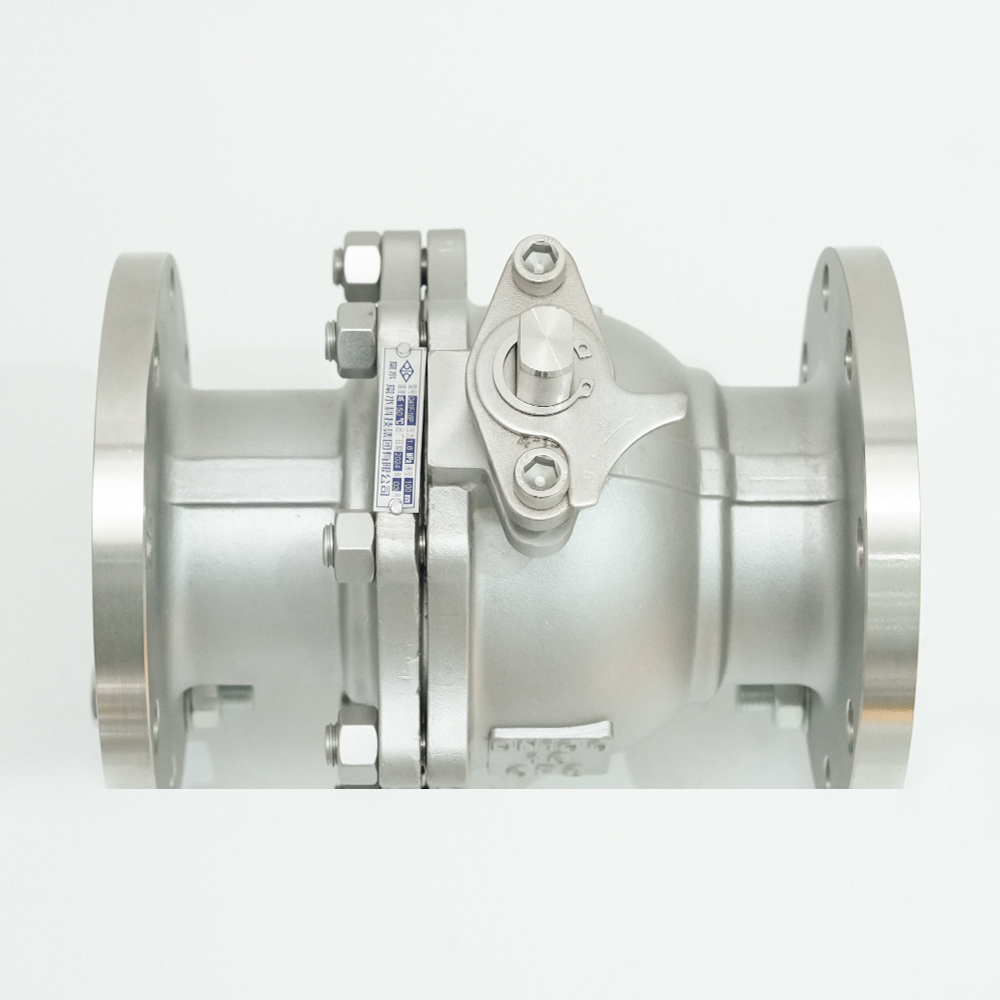 Stainless Steel Flange Ball Valve for Sanitary and Corrosive MediaDesigned for quarter-turn on/off service in petroleum, chemical, and pharmaceutical lines, this stainless steel flange ball valve offers low torque and minimal maintenance, making it a practical choice where plug valves may be over-specified.View Product →
Where Plug Valves Are Used
Plug valves are not universal, but they remain strong in several niches:
- Oil and gas gathering lines and pig launcher/receiver systems, where flow diversion and tight shutoff are essential.
- Tank farm outlet lines and gravity drainage, because the short body length allows compact station layouts.
- Chemical plants that need a three-way or four-way valve to select between product lines or blend ingredients.
- Wastewater and slurry services, especially with eccentric or lubricated designs.
- Fuel gas distribution and burner trains, where a simple quarter-turn valve with a visible open/closed position is preferred.
The non-lubricated design is also found in compressed air lines and instrument air systems, where the PTFE sleeve is chemically inert and maintenance is minimal. In each of these cases, the valve must be matched to the media and pressure class; otherwise, the plug can seize or the seat can be damaged.
Selection Criteria and Buying Considerations
Pressure class and temperature
The first thing to verify is the nominal pressure rating and temperature range. For low-pressure water and air, a PN10 or PN16 body with soft seat works well. For steam, process gas, or high differential pressure, you need a cast steel or stainless steel body and a lubricated or expandable plug. This is often where a gate valve is specified instead, because it offers a full-bore straight passage and a proven metal seat. Changshui Technology Group's cast steel flange gate valve is an example of a rugged alternative for Class 150/300 services where plug valves are not available in the required size.
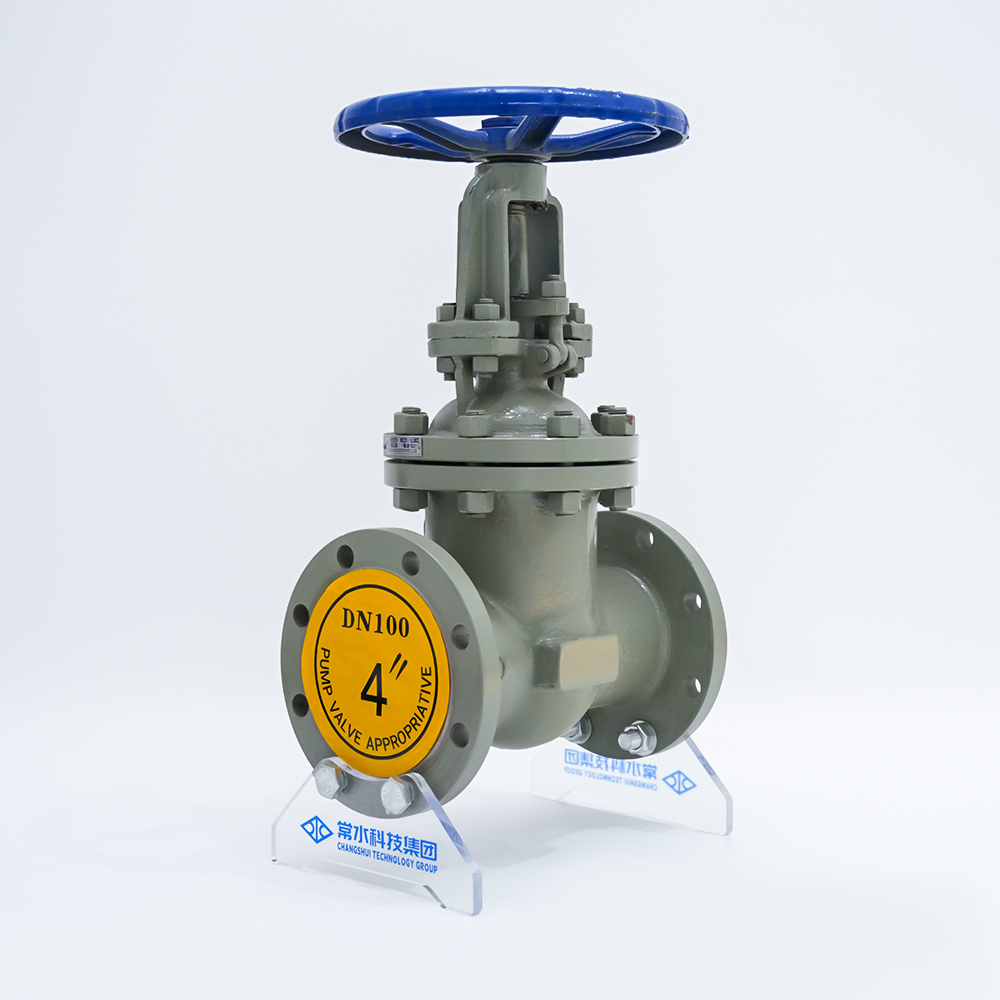 Cast Steel Flange Gate Valve for Class 150/300 ServicesOffering a full-bore straight passage and durable metal seat, this cast steel gate valve serves as a rugged alternative for high-pressure or steam systems when plug valves are not available in required sizes.View Product →
Material compatibility
Since the plug and seat are in direct contact with the fluid, material matching is critical. Cast iron bodies are fine for water and neutral media; stainless steel is needed for chlorides, acids, and hygiene-critical processes; cast steel is used for high-temperature or high-pressure systems. Fluorine-lined valves are an option for highly aggressive chemicals. To understand the limits of carbon steel and stainless steel, it is useful to review material selection before committing. A practical guide is available here: selection guide for cast steel valves.
Cv sizing
The flow coefficient (Cv) determines the pressure drop at a given flow. Because plug valves have a restrained flow area, the Cv is lower than a full-bore ball or gate valve of the same size. If your system needs low pressure drop, consider oversizing the valve or use a ported design. The Cv calculation is explained in detail here: Cv formula and practical examples.
Port configuration
Multi-port plug valves are valuable, but be aware that some configurations do not provide full shutoff in all positions. For example, a T-port three-way valve may allow flow through one outlet while the closed position isolates the other. Define your fail-safe position and required number of seats before ordering.
Maintenance and Troubleshooting
- If the plug becomes difficult to operate, the usual cause is lack of lubricant or hardening of the sealant. For lubricated valves, use the proper feeder on schedule.
- If leakage appears around the stem, tighten or replace the packing. A quarter-turn valve with soft seats should not be over-tightened excessively.
- For non-lubricated designs, inspect the PTFE sleeve for swelling or scoring. Some chemicals can attack the sleeve even though the body is compatible.
- For automated installations, verify that the actuator torque matches the valve's breakaway torque. Surge forces and temperature cycling can increase torque over time.
Summary and Buying Advice
A plug valve is a compact, reliable quarter-turn valve that can shut off, divert, or mix flow in one stationary device. It excels where space is limited, multi-port routing is needed, and the media is compatible with the sealing mechanism. It is not the right choice for every pipe; high torque, lubricant compatibility, and high-pressure limitations must be balanced against the benefits.
When the process is clean and the requirement is simply a low-torque quarter-turn valve, a stainless steel ball valve may be a better fit. When the pressure class rises, a cast steel gate valve provides a conservative alternative. Our engineering team at Changshui Technology Group can help evaluate the full operating conditions and point you to the correct valve family, including ductile iron gate, butterfly, and check valve options where plug valves would be overkill.