
 中文简体
中文简体 English
 русский
Content
If you have ever opened ASME B16.34 looking for one number and closed it forty minutes later without it, you are in good company. The standard is dense, table-heavy, and written for compliance rather than conversation. Yet nearly every flanged, threaded, or welded valve in a plant owes part of its design to it.
We have been manufacturing valves for years and still keep a marked-up copy within reach. What follows is the working understanding we share with customers: what the standard actually covers, how to read its rating tables, and which details are worth confirming before a purchase order leaves the desk.
What ASME B16.34 Covers
Titled Valves — Flanged, Threaded, and Welding End, ASME B16.34 is a product standard. It does not select a valve for you, size it, or decide where it goes in the line. It defines what a compliant valve must look like once you have made those choices: which materials are acceptable, how thick the body walls must be, how the assembly is tested, and what has to be marked on the body.
The scope is tighter than many specifications imply. It applies to valves with flanged, threaded, or welding ends within defined size and class limits, and it leans on other B16 documents for dimensions — B16.5 and B16.47 for flanges, B16.10 for face-to-face lengths, B16.25 for butt-welding ends.
| Area | What the standard addresses |
|---|---|
| End connections | Flanged, threaded, and welding-end valves |
| Size and class | NPS 1/4 to NPS 24 across Classes 150 to 4500, with the highest classes limited to smaller sizes |
| Ratings | Pressure-temperature tables by material group, starting at -29 °C |
| Body design | Minimum wall thickness, body-bonnet joints, stem dimensions, bolting |
| Testing and marking | Shell and seat tests, plus required body markings |
Anything outside that envelope — a wafer-style body clamped between flanges, a valve qualified to a pipeline standard such as API 6D, a one-off fabrication — is governed by a different document. That matters when a data sheet says "B16.34 compliant" as a catch-all phrase.
Reading the Pressure-Temperature Tables
This is where most of the practical value sits. B16.34 does not hand a valve a single pressure rating. It gives you a curve in table form: for each class and material group, the allowable pressure drops as the operating temperature rises.
Three inputs decide which row applies — class, material group, and design temperature. Carbon steels sit in Group 1, austenitic and duplex stainless steels in Group 2, nickel alloys in Group 3, with sub-groups separating, for example, plain carbon steel from a low-alloy grade.
| Class | Pressure (psi) | Pressure (bar) |
|---|---|---|
| 150 | 285 | 19.7 |
| 300 | 740 | 51.1 |
| 400 | 990 | 68.3 |
| 600 | 1,480 | 102.1 |
| 900 | 2,220 | 153.1 |
| 1500 | 3,705 | 255.5 |
| 2500 | 6,170 | 425.5 |
The temperature column is the one people skip. A Class 150 carbon steel valve that feels generous at ambient can be near its ceiling on a hot steam header, and the same body cast in a stainless grade will not follow an identical curve.
We went deeper into how the major systems compare in a separate article on pressure-temperature ratings across ASME, API and ISO, which is worth a look if your project mixes standards.
Two habits prevent most mistakes. Use the design temperature rather than the normal operating temperature, and include credible upset conditions. Then check the edition: ASME B16.34-2025 has replaced older issues, and a number copied from a decade-old PDF may not match the current table.
Materials and How They Are Grouped
Every body and bonnet material permitted under B16.34 appears in the standard's material tables, each with a specification reference and a group assignment. The list is long, but the logic is friendly: the group number is simply the pointer to the pressure-temperature table you need.
Carbon and Low-Alloy Steels
Cast carbon steel such as WCB is the everyday choice for water, steam, and general process service, and it anchors Group 1. Low-alloy grades join it in the same family when temperatures climb or when hydrogen service rules apply.
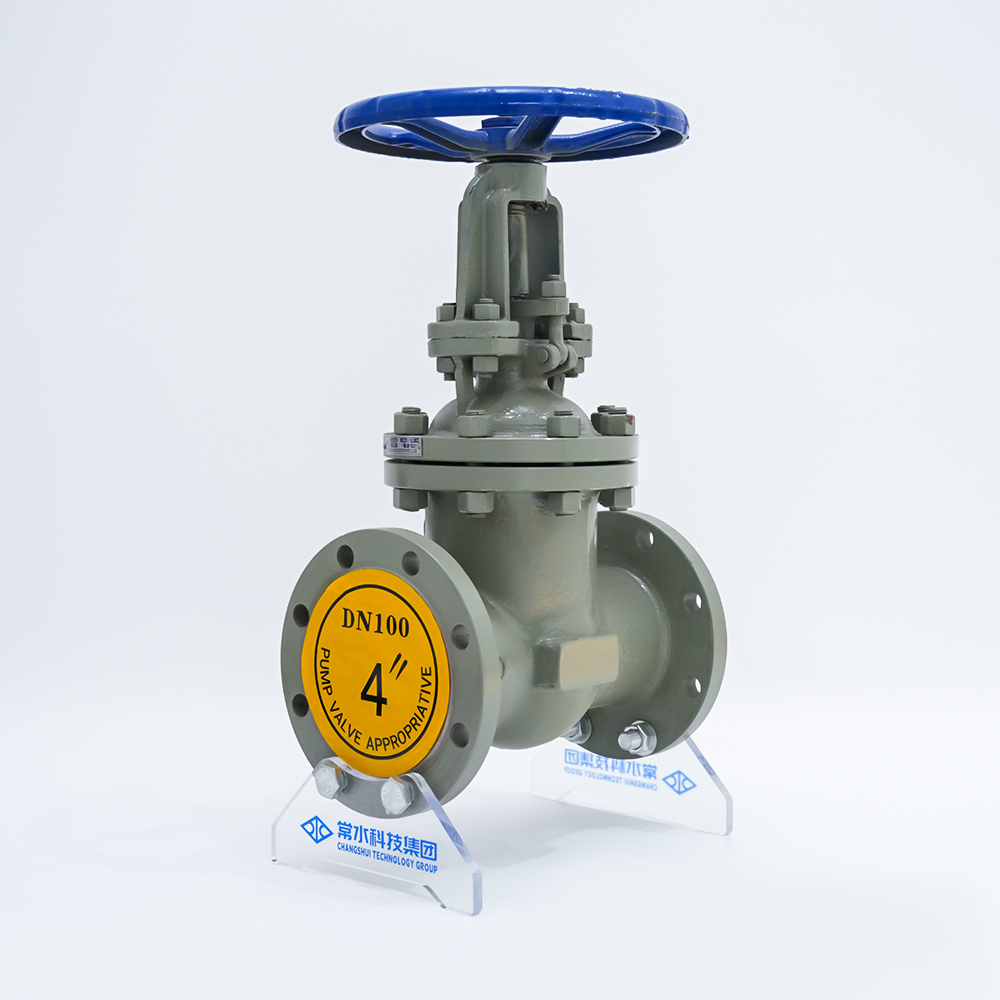 Cast Steel Flange Gate Valve Z41H-16CA cast steel flanged gate valve for water, oil, steam, and acidic media, with PN16–64 ratings and manual, geared, electric, or pneumatic operation.View Product →
Stainless and Higher Alloys
Austenitic grades like CF8 and CF8M sit in Group 2. They cost more, but they buy corrosion resistance and, in many cases, better strength retention when things get hot. Nickel-based alloys in Group 3 cover the aggressive end of the spectrum — high temperature, strong acids, and chloride-heavy environments.
One point catches buyers out: the material has to be listed in the standard's tables. "316 stainless" on a drawing is not enough; the exact specification and grade need to be traceable, which is why mill certificates matter as much as the purchase description.
Design, Testing and Marking
Beyond ratings, the standard sets the mechanical ground rules that decide whether a valve holds together in service.
- Minimum body wall thickness, graded by class and size, so a Class 900 body is not simply a Class 150 casting with extra paint.
- Body-bonnet joints, gaskets, and bolting sized for the full rating, including how pressure and temperature act on the joint.
- Stem and disc details that keep operating torque within the reach of the handwheel or actuator.
- Shell test at 1.5 times the 100 °F rating and a seat test at 1.1 times, with results recorded.
- Body markings: manufacturer, class, size, material designation, and the special class designation where enhanced examination applies.
The last point is worth spelling out. B16.34 recognises Standard Class and Special Class. Special Class adds non-destructive examination — radiography, ultrasonic, magnetic particle, or liquid penetrant, depending on the component and the method specified — and it is what many critical-service specifications call for without saying so plainly.
A Short Checklist Before You Order
When a specification lands on the desk, these are the questions we ask first.
- Which edition does the project reference? A 2017 table and a 2025 table can differ.
- What are the class, material group, and design temperature together, not separately?
- Which end-connection standard applies — B16.5 flanges, B16.25 weld ends, or threads to B1.20.1?
- Is Standard Class or Special Class examination required, and by which method?
- Are shell and seat test records plus mill certificates part of the delivery?
- Does the body marking match the paperwork, heat numbers included?
Most order disputes we see trace back to one of those six being left open. Settling them at quotation costs a few minutes; settling them after delivery costs weeks.
Our own cast steel globe-style stop valves are built with these checks in mind — the J41H-16C is a typical general-service body with a bolted bonnet and a clearly marked rating.
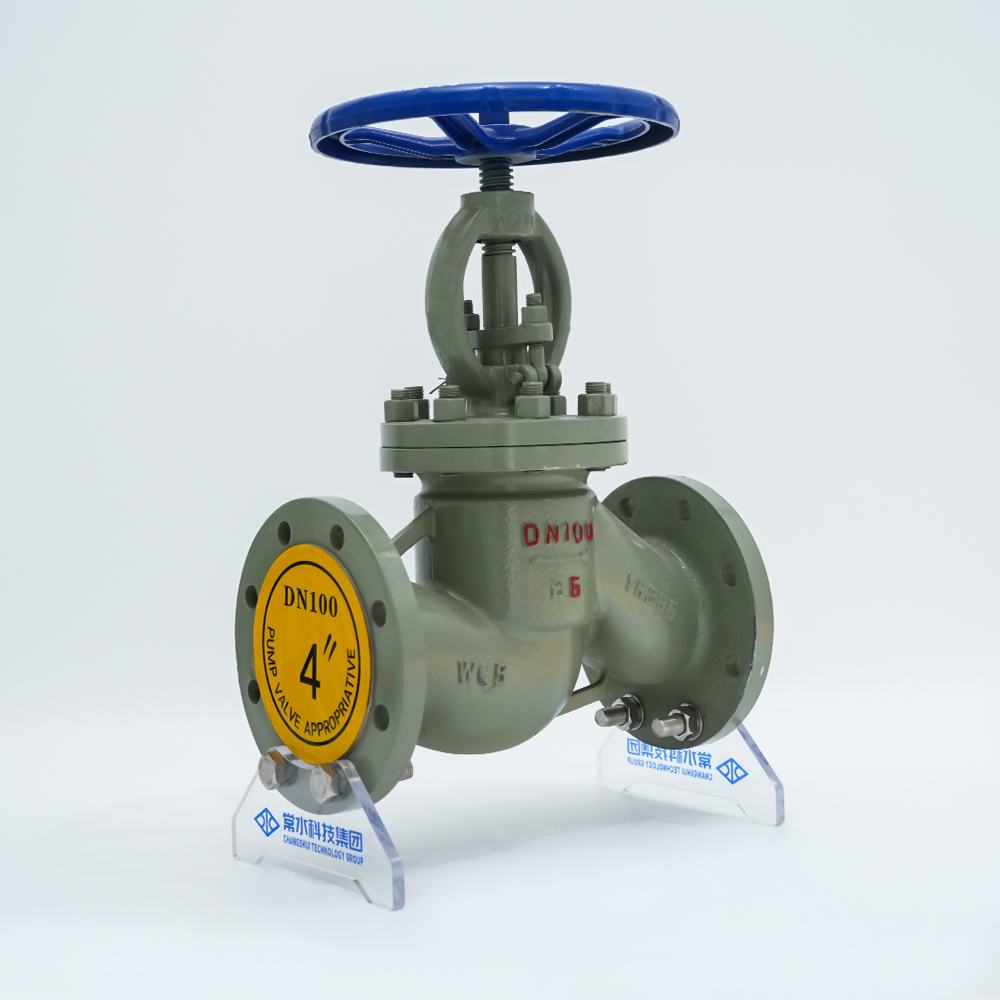 Cast Steel Flange Stop Valve J41H-16CA bolted-bonnet cast steel stop valve for shutoff or connection in petroleum, chemical, pharmaceutical, fertilizer, and power pipelines, rated PN16–PN160 and -29°C to 425°C.View Product →
Where the Standard Meets the Real World
A standard only earns its keep when the valves on the pallet match the paper. For us that means testing every body, keeping the certificates together, and saying so plainly when a service condition falls outside B16.34 and needs a different approach.
Stainless bodies are a good illustration. A CF8M gate valve such as the Z41W-16P follows the same structural rules as its carbon steel cousin, but it answers a different corrosion question.
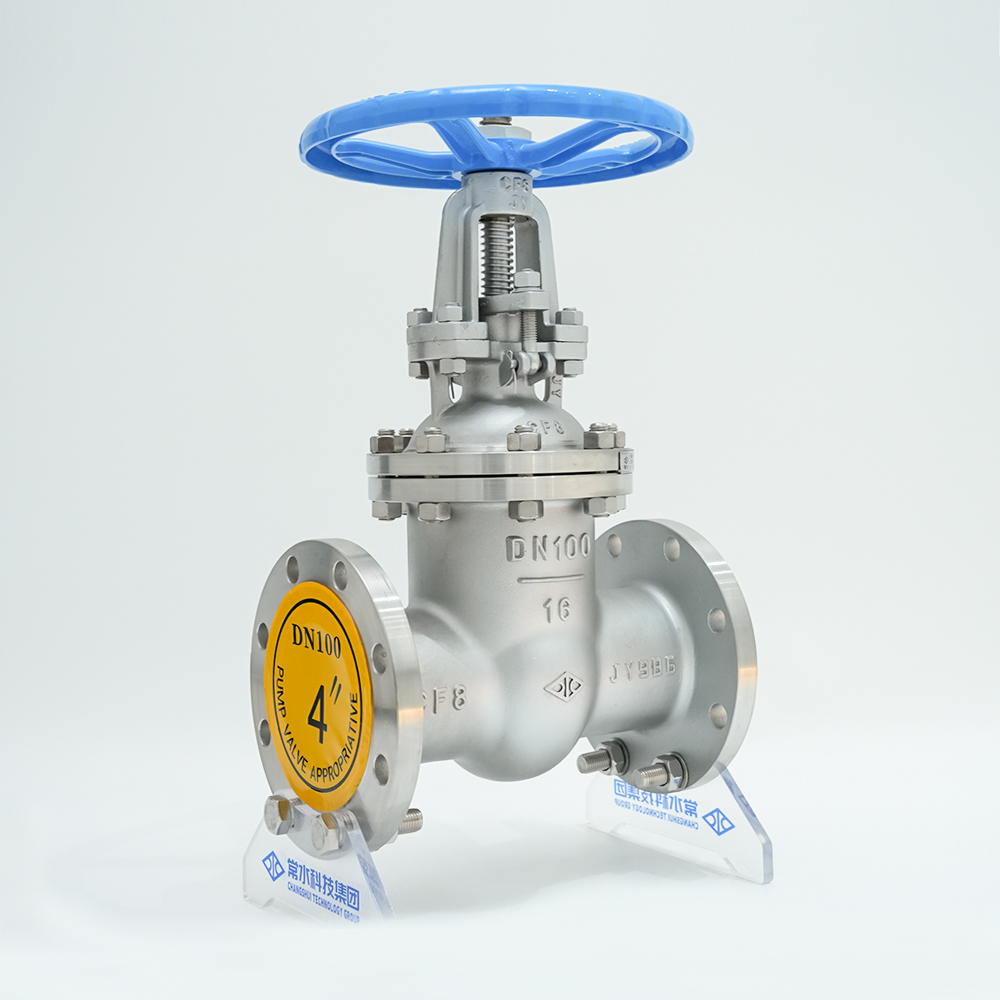 Stainless Steel Flange Gate Valve Z41W-16PA stainless steel flanged gate valve with a wedge-type flexible gate and hard-faced sealing surfaces, suited to water and general piping isolation across DN15–600.View Product →
If you would like to see how we verify this in practice, our certificates and quality documentation are published in full, and we are always glad to walk through a rating table with you line by line.
ASME B16.34 rewards a slow read. Get the class, the material group, and the design temperature right, confirm the edition, and the rest of the tables stop looking like a maze. And if something still does not add up, ask the manufacturer — a good one will have the answer in the file.