
 中文简体
中文简体 English
 русский
Content
- 1 What "Two-Way" Actually Describes
- 2 Designs Commonly Sold as a Two-Way Check Valve
- 3 How a Standard Two-Port Check Valve Works
- 4 Shuttle Valves: Two Inlets, One Outlet
- 5 Double Check Valve Assemblies and Backflow Protection
- 6 Noise, Water Hammer and Pump Duty
- 7 Materials and Media
- 8 Installation Rules That Keep a Check Valve Working
- 9 Sizing Questions We Ask First
- 10 Buying From the Manufacturer
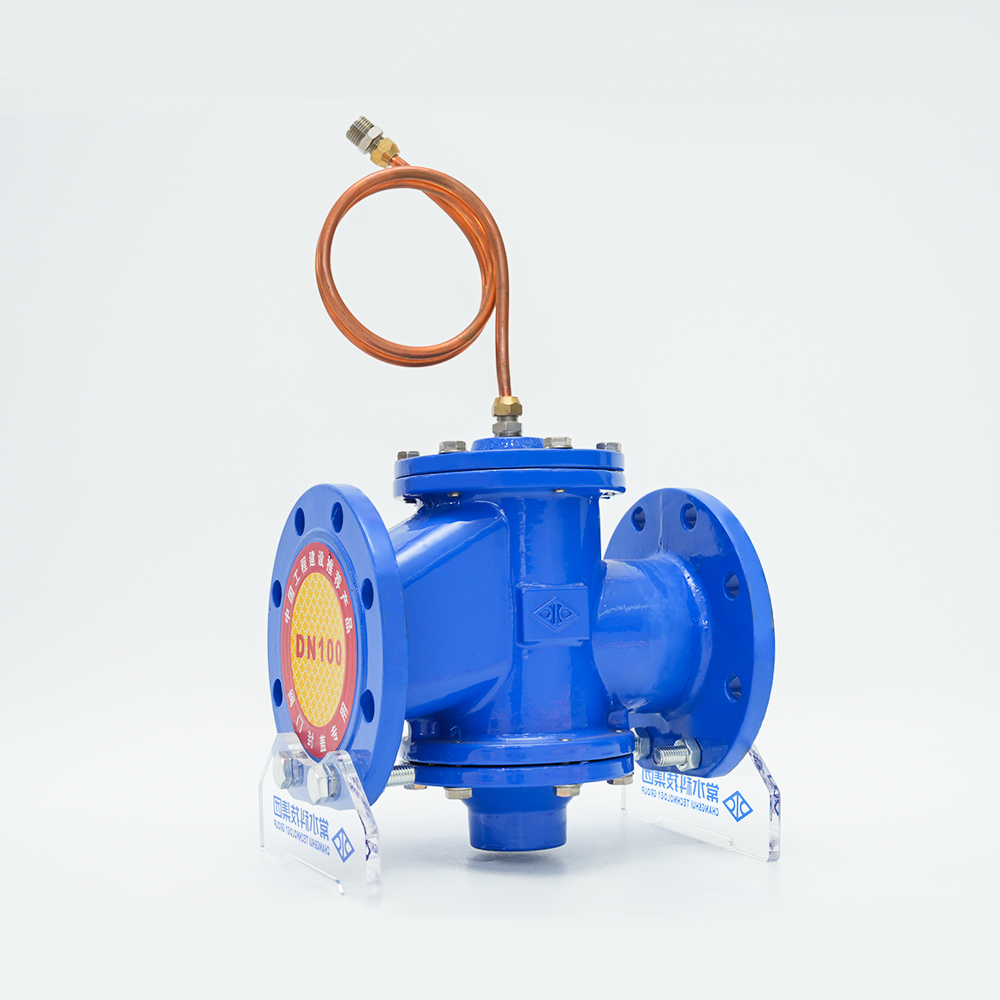
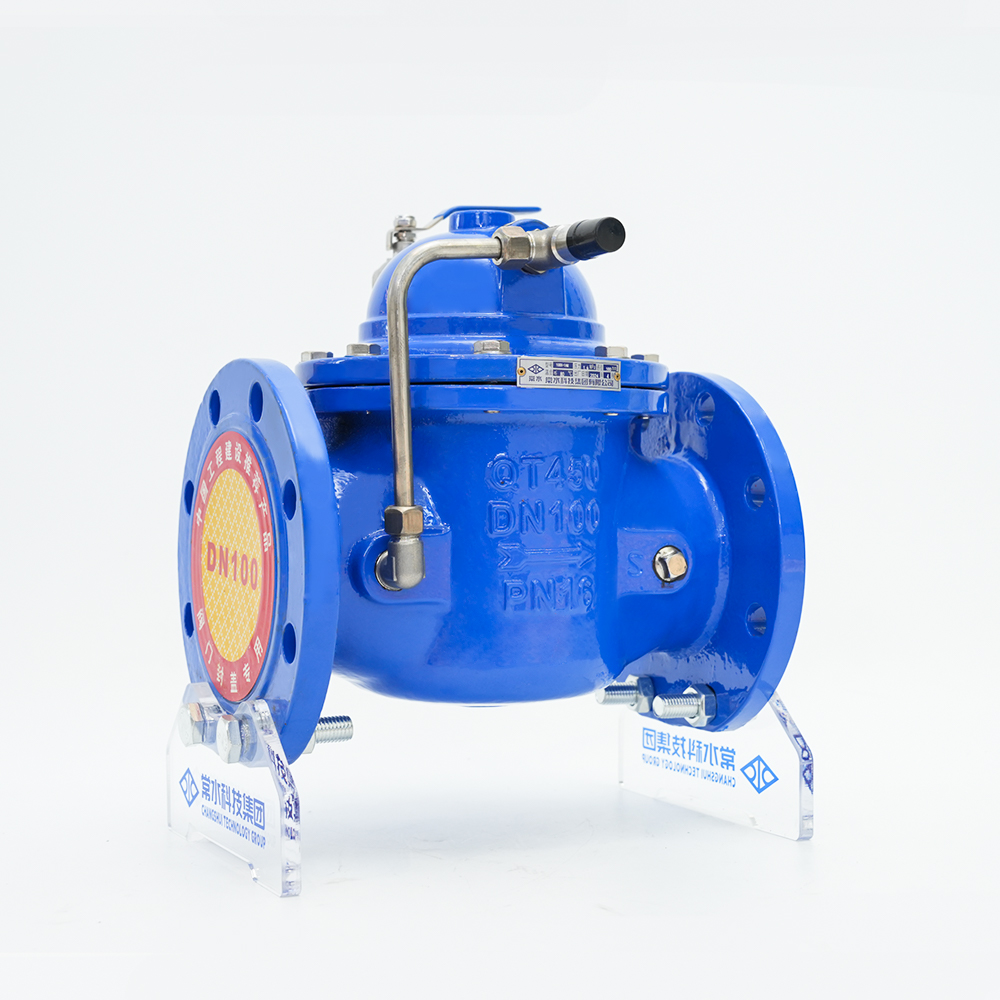
A 2 way check valve is one of those phrases that points in two directions at once. In water and HVAC work it usually means an ordinary two-port check valve: fluid enters one end, leaves the other, and any attempt at reverse flow seats the disc and closes the line. In compressed air and hydraulic circles the same phrase means a shuttle valve, a three-port device that accepts two inlets and delivers whichever pressure is higher to a single outlet.
Both products exist, both are dependable, and both are misunderstood often enough that we explain the difference to buyers almost every week. This guide covers the working principles, the selection criteria and the installation habits that decide whether a check valve quietly does its job for fifteen years or starts chattering within a month.
What "Two-Way" Actually Describes
Strip away the naming and every product discussed here does the same job: it permits flow in one direction and blocks it in the other, with no operator, no actuator and no power supply. The differences lie in the number of ports, the way the closure element moves, and how quickly it reacts.
A conventional check valve has exactly two ports. "Two-way" simply acknowledges that fluid passes through in one direction and would like to return the other way, and is not allowed to. This is the valve on a pump discharge line, at a tank outlet, on a fire main, or anywhere a utility wants water to flow toward the building and never back toward the main.
A shuttle valve also answers to the name, because it packages two check functions in one body: two supply ports feed a single outlet, and a free-moving shuttle seals the lower-pressure port while opening the higher-pressure one.
Designs Commonly Sold as a Two-Way Check Valve
Before sizing anything, confirm which family you are buying. The table below maps the designs we build and supply most often against the service each one handles best.
| Design | Ports | Working Principle | Typical Service |
|---|---|---|---|
| Swing check valve | 2 | Disc swings on a hinge; forward flow lifts it, reverse flow seats it | Water supply, pump discharge, HVAC mains |
| Dual-plate check valve | 2 | Two spring-assisted plates close over a short arc | Space-limited pipework, low head loss |
| Silent, or axial, check valve | 2 | Spring-loaded disc travels only a few millimetres | Noise-sensitive lines, high cycle counts |
| Shuttle valve | 3 | Internal shuttle shifts toward the higher-pressure inlet | Air brake circuits, redundant hydraulic supply |
| Double check valve assembly | 4 | Two check valves in series with a testable centre zone | Backflow prevention at zone or appliance level |
If your line carries water and the only goal is to prevent reversal, the first three rows apply. If two sources must feed one circuit, or a code authority demands verifiable backflow protection, look at the last two.
How a Standard Two-Port Check Valve Works
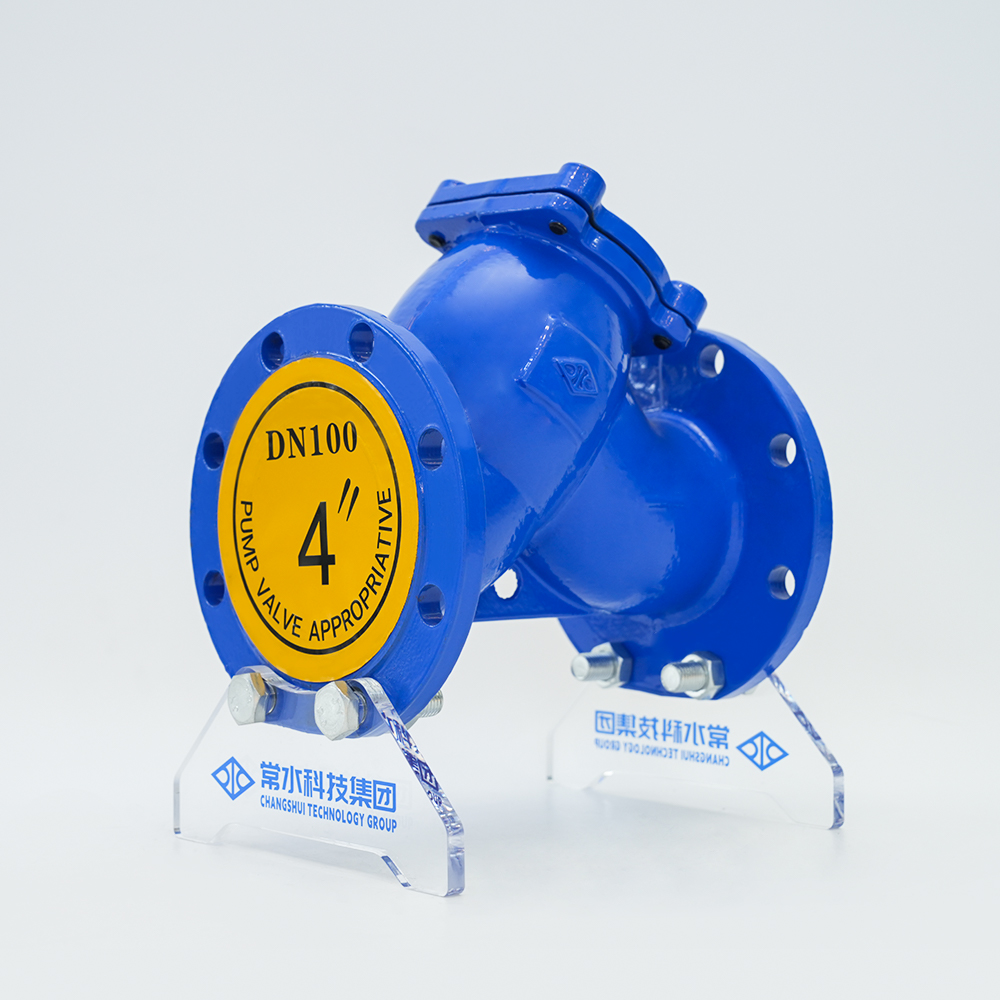
Inside a swing check valve, the disc hangs from a hinge pin. Forward flow lifts the disc off its seat with very little resistance; when flow stops or reverses, gravity and back pressure return it to the seat. A resilient rubber disc bonded to a metal plate gives a soft, tight seal even at low differential, which is why rubber-disc designs dominate municipal water and building services.
Three numbers govern performance. Cracking pressure is the differential needed to lift the disc clear, and the lower it is, the less energy a pump spends holding the valve open. Sealing pressure is the differential at which the valve shuts completely. Head loss at design flow tells you what the valve costs in pumping energy across a year of continuous running.
For general water supply, pump discharge and fire protection lines, our ductile iron rubber-disc check valves cover the full range of flanged and grooved connections.
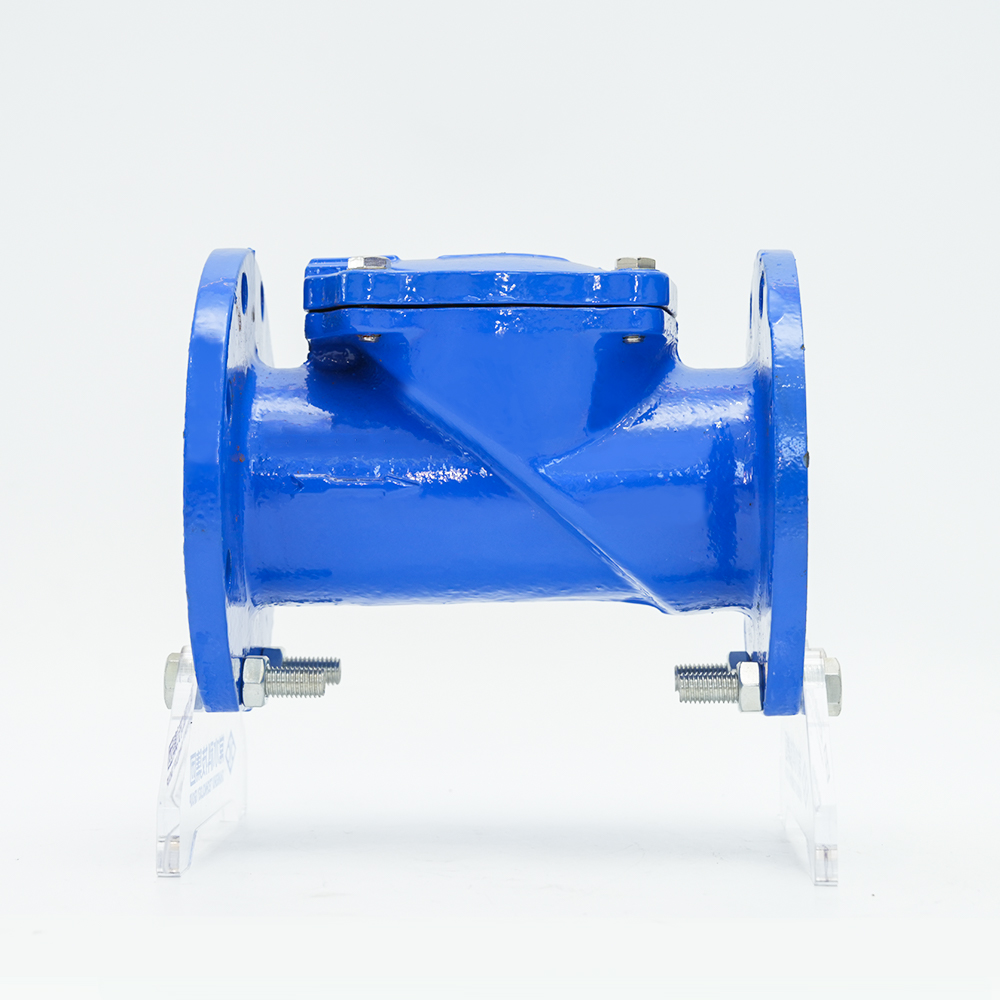 Rubber Disc Check Valve H44X-16QThe rubber flap check valve is mainly composed of the valve body, the valve cover, and the main parts of the rubber flap. The rubber is made of ductile iron flap and l...View Product →
Shuttle Valves: Two Inlets, One Outlet
A shuttle valve is the version of a two-way check valve that never stops flow; it redirects it. Two inlet ports and one outlet share a common bore, with a ball, disc or spool between the inlets. Whichever inlet carries the higher pressure pushes the shuttle across, sealing the opposite port and opening a path from the live source to the outlet.
- Air brake systems, where a service line and an emergency line must both reach the same chamber.
- Redundant hydraulic circuits, where a main and a standby pump feed one actuator.
- Pilot and sensing lines, where two signal sources must not fight each other.
Because no external power is required, the design survives in safety-critical circuits. Its limitation is that it always delivers the higher pressure, so it cannot keep two streams separate.
Double Check Valve Assemblies and Backflow Protection
Terminology gets slippery here. A double check valve assembly is not a two-way valve in the flow-control sense; it is two single-direction check valves in series inside one body, usually with test ports between them. The first blocks reverse flow, the second backs it up, and the intermediate zone lets an inspector confirm that both are sealing.
These assemblies belong to the backflow prevention family and are governed by plumbing codes rather than general valve standards. When a specification asks for a two-way check valve in a potable water context, confirm whether the engineer means a plain two-port valve or a certified double check assembly; the cost and the paperwork differ considerably.
Noise, Water Hammer and Pump Duty
A check valve that closes slowly protects the pipe; a check valve that closes quickly protects the pump. Getting that balance wrong is the single most common source of complaints we hear.
When a pump stops, the column of water behind it reverses and slams the disc shut. That event, water hammer, sends a pressure spike down the system. Swing check valves with long disc travel are the worst offenders, because the disc builds momentum before it seats. Two remedies work well: a spring-assisted silent check valve, whose disc travels only a few millimetres and closes before flow fully reverses, or a slow-closing valve with a piston or dashpot that meters the final part of the stroke.
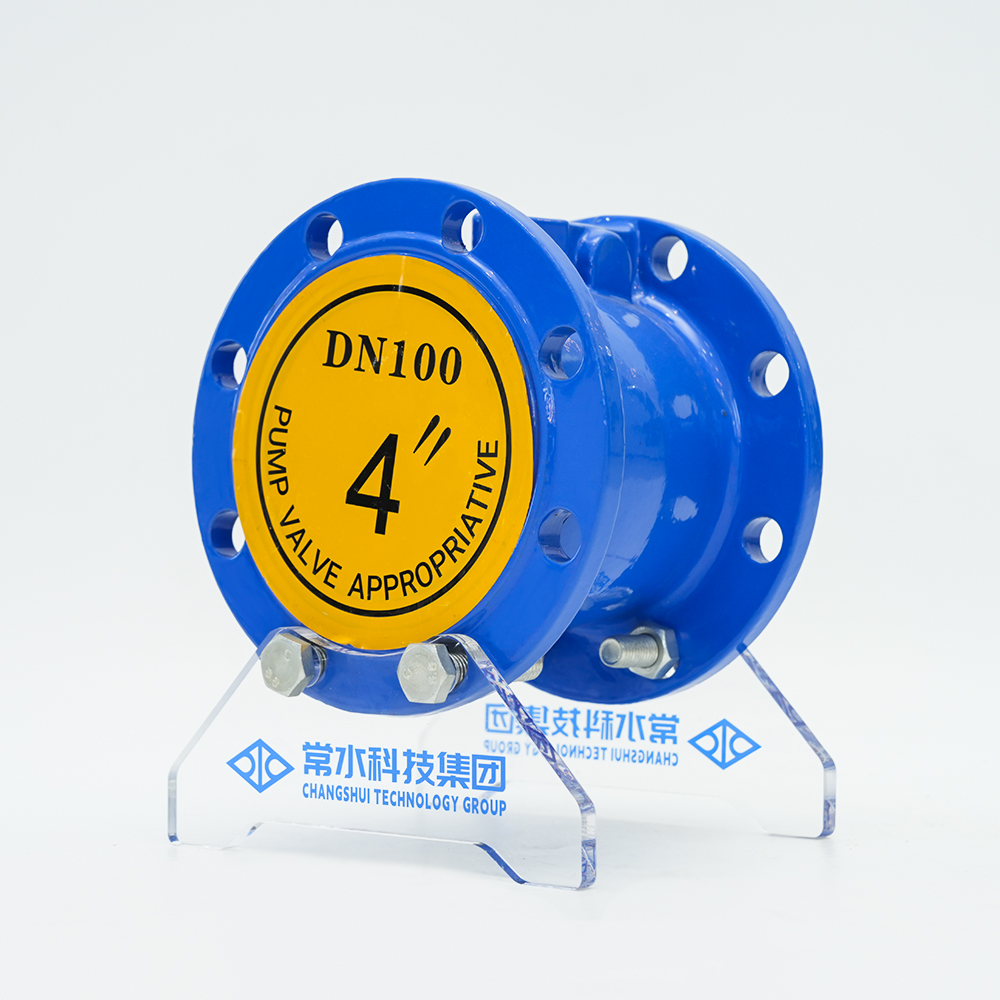
On pump discharge and booster lines where noise and surge are the main concern, a silent check valve keeps the line quiet and the seating surfaces intact.
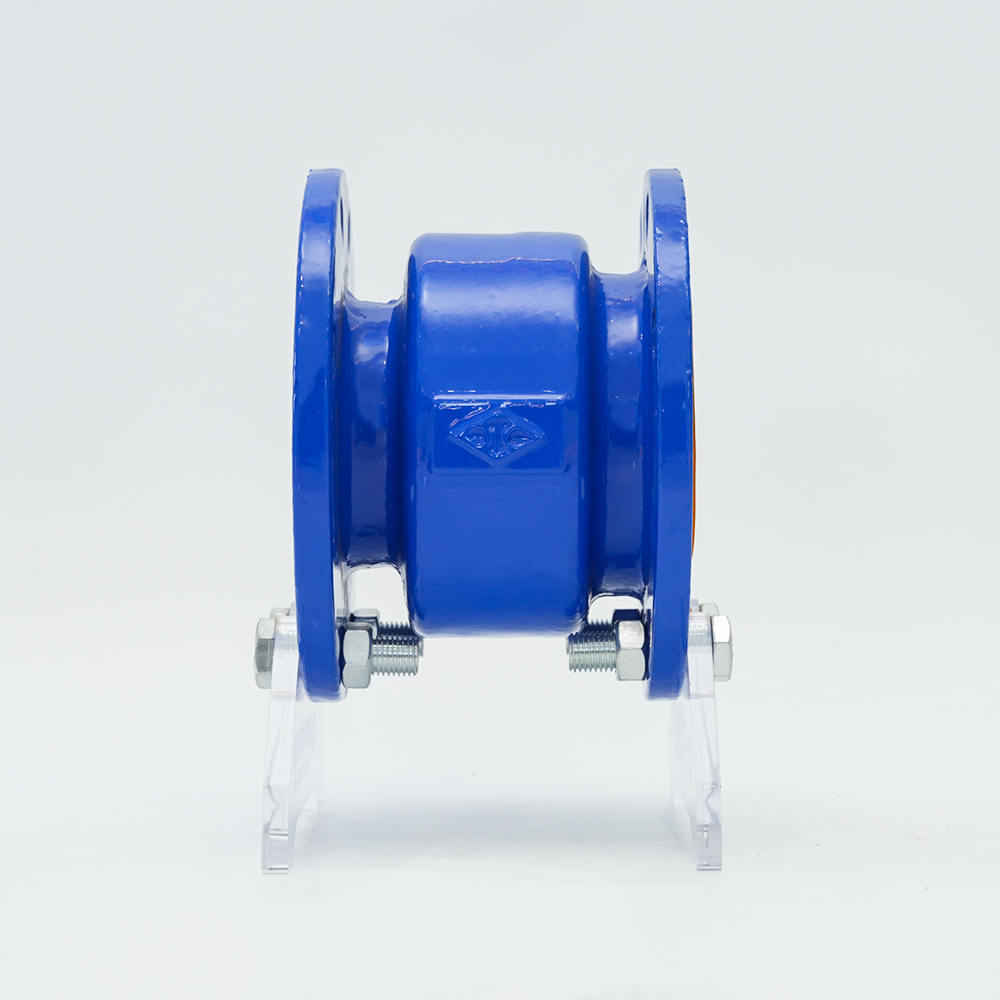 Silencer Check Valve HC41X-16QSilencer check valves are mainly suitable for water supply and drainage systems of high-rise buildings, fire pipe water supply systems, etc. This silencer check valve ...View Product →
Materials and Media
The body material decides how long the valve survives its environment; the trim material decides how well it seals.
| Material | Best For | Practical Limit |
|---|---|---|
| Ductile iron | Water supply, fire mains, HVAC, irrigation | Not for aggressive acids or chloride-heavy process streams |
| Cast steel | Higher-pressure steam and process lines | Needs coating or lining for corrosive media |
| Stainless steel | Potable water, food and beverage, mild chemicals, coastal air | Higher unit cost; grade selection matters |
| Fluorine-lined | Strong acids, chlorinated and oxidising media | Temperature ceiling set by the lining |
For aggressive or high-purity media, a stainless steel body with a rubber or PTFE-faced disc covers most duty.
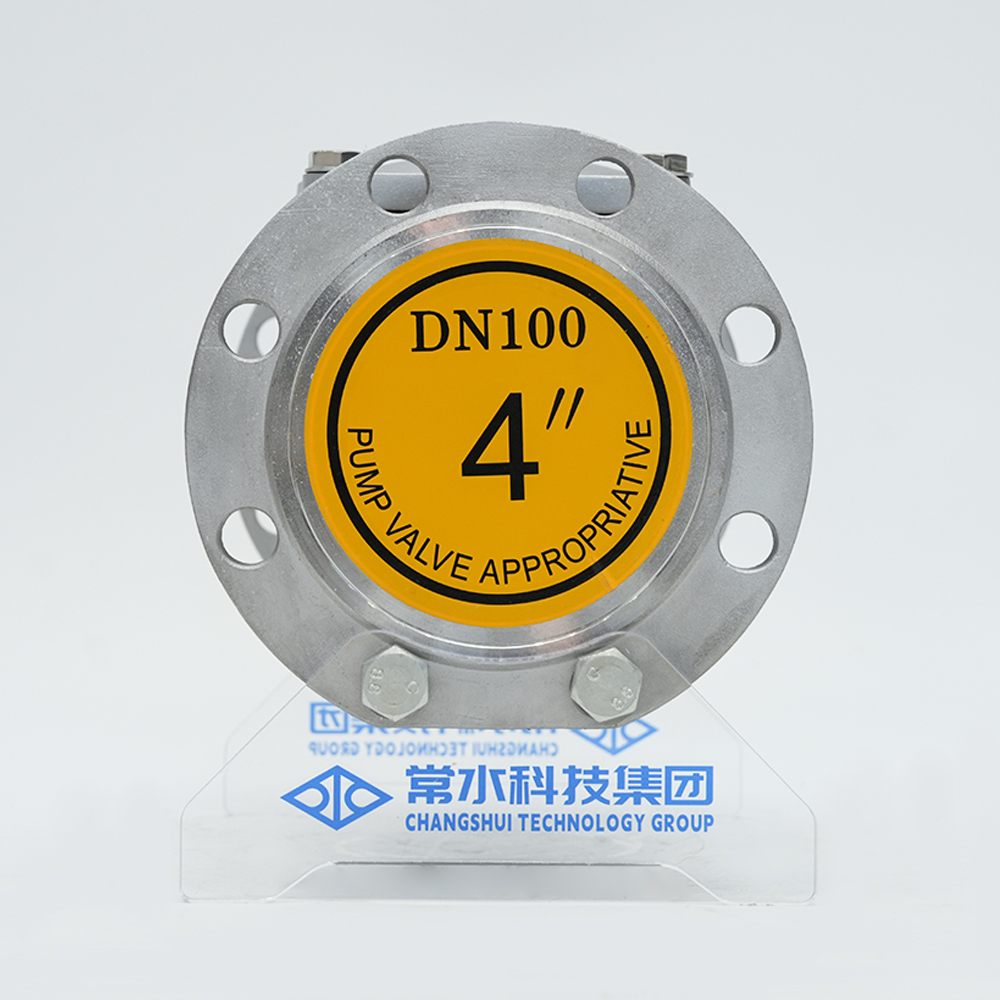 Stainless Steel Rubber Disc Check Valve H44X-16PThe rubber flap check valve is mainly composed of the valve body, the valve cover, and the main parts of the rubber flap. The rubber is made of ductile iron flap and l...View Product →
Installation Rules That Keep a Check Valve Working
Most check valve failures we inspect turn out to be installation problems rather than manufacturing defects. A few habits prevent nearly all of them.
- Match the flow arrow to the direction of normal flow. A reversed valve will never seal and will often chatter.
- Respect orientation limits. Swing check valves generally need a horizontal line with the hinge above the bore, or a vertical line with upward flow, while spring-assisted and dual-plate designs tolerate almost any position.
- Allow several pipe diameters of straight run upstream and downstream so the disc sees steady, symmetrical flow.
- Never treat a check valve as an isolation device. Fit a gate or butterfly valve for maintenance isolation instead.
- Leave clearance for inspection covers, and specify cushioned closure on larger sizes where surge is expected.
If your line runs vertically, confirm the orientation limits for the specific model before ordering; we cover the detail in our guide to installing a check valve vertically.
Sizing Questions We Ask First
Line size alone does not determine valve size. Oversizing is a common mistake: a large disc in a low-flow line flutters against its seat instead of lifting clear, wearing the hinge and seat within a season. Undersizing raises velocity and head loss. Five questions settle the shortlist.
- What is the design flow rate, and what is the minimum sustained flow?
- What media, temperature and concentration will touch the body and trim?
- What is the maximum shut-off pressure, and is surge expected?
- Which connection standard applies: flanged, grooved, threaded or wafer?
- Is the priority tight shut-off, low head loss, quiet operation or fast response?
Buying From the Manufacturer
Changshui Technology Group designs, casts, machines, assembles and tests valves in house, and supplies customers in building services, heating, water supply, petroleum, chemical and power industries. Ductile iron, cast steel, stainless steel, lined and copper lines sit under one roof, so a project can be specified from a single source rather than assembled from four suppliers.
Every batch passes through our physical and chemical laboratory, where ultrasonic flaw detection, tensile and low-temperature impact testing, spectrometry, metallography, torque measurement and full valve test benches verify what leaves the factory.
You can browse our full valve range by material and type, or send us your line conditions and let our technical team propose the model, size and trim.
A 2 way check valve is a small component with an outsized influence on how a system behaves after the pump stops. Decide first whether you need a two-port valve that prevents reversal or a shuttle valve that selects between two sources, then match the closure mechanism to the flow profile, the body material to the media, and the installation to the pipe layout. Get those decisions right and the valve will do its job without being noticed, which is exactly the standard it should be held to.