
 中文简体
中文简体 English
 русский
Content
- 1 Why Industrial Valve News Affects Purchasing Decisions
- 2 Material Trends in Valve News: What the Spec Sheet Tells You
- 3 Compliance and Certification News Reaching the Valve Industry
- 4 How to Turn Industrial Valve News Into a Procurement Checklist
- 5 The Bottom Line: Treat Valve News as a Technical Input
An engineer responsible for valve procurement opens the industry feed and sees three stories in one morning: a global flow-control group has acquired a valve manufacturer, a European supplier has won a major petrochemical order, and a standards body has updated its fire-test guidance. None of those headlines names the ductile iron gate valves or butterfly valves that a water utility installs every quarter. Yet all three contain information that will reach the next shipment: longer lead times, tighter documentation requirements, and renewed questions about which material grades and test standards actually apply.
Here is the practical takeaway: industrial valve news is an early-warning system, not background reading. It signals material cost pressure, certification expectations, and product reliability trends before those issues appear in a quotation or an inspection report. Buyers who read the news the way they read a valve data sheet, checking pressure limits, temperature envelopes, and compliance requirements, make better sourcing decisions than those who treat it as noise.
Why Industrial Valve News Affects Purchasing Decisions
Valve industry reporting tends to fall into four categories, and each category changes a buying decision differently.
| Type of news | What it signals | Action for buyers |
|---|---|---|
| Mergers, acquisitions, and distribution changes | Supplier ownership, service continuity, and pricing strategy may shift | Confirm spare-part support and warranty terms after ownership changes |
| Product and material launches | New sealing, coating, or alloy options become available | Compare new options against existing specifications before re-engineering |
| Standards, testing, and certification updates | Safety and performance expectations tighten | Verify that supplier test reports match the latest revision |
| Major project awards and capacity investments | Demand pressure on raw materials and foundry capacity | Extend lead-time assumptions and place frame orders earlier |
The first category affects commercial continuity, the second affects design choice, the third affects compliance risk, and the fourth affects delivery planning. A story that looks like industry gossip is usually one of these four signals in disguise.
Material Trends in Valve News: What the Spec Sheet Tells You
The most valuable valve news is often the most technical. Material announcements, failure analyses, and application guidelines change specifications more reliably than any corporate press release.
Ductile Iron Keeps Winning Municipal Water and Fire-Protection Work
Municipal water engineers have been the largest group translating ductile iron valve news into procurement action. The reason is mechanical, not sentimental: ductile iron combines the corrosion resistance of traditional cast iron with significantly higher tensile strength and impact resistance. That matters when a mainline valve sits in a trench subjected to soil loading, temperature cycling, and occasional hydraulic shock. News coverage of water utilities replacing ageing grey cast iron valves almost always involves a move to ductile iron, and the change appears in valve design as much as in material grade.
One of the most widely specified patterns in this service is the dark-stem soft-seal gate valve. Utilities standardize on this configuration because it delivers tight shutoff across water lines without the regular seat maintenance that metal-to-metal designs demand, and it remains operable after long periods of inactivity. For a closer look at the maintenance and replacement math behind this trend, our guide to long-term cost savings with ductile iron valves covers the full analysis.
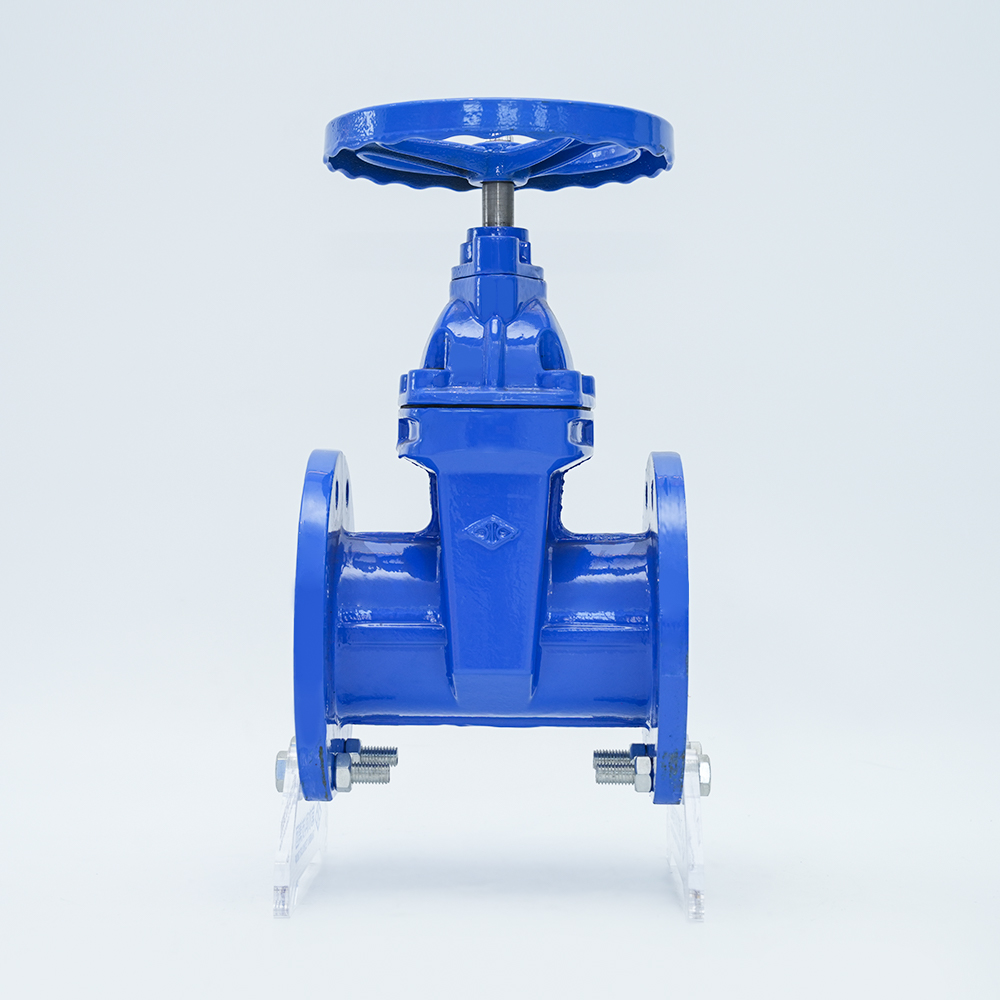 Ductile Iron Dark Stem Soft Seal Gate Valve Z45X-16Q Suppliers, OEM/ODM Company Changshui is China custom Ductile Iron Dark Stem Soft Seal Gate Valve Z45X-16Q suppliers and OEM/ODM Dark Stem Soft Seal Gate Valve Z45X-...View Product →
The same ductile iron body and elastomer seat technology carries over to above-ground isolation in pump rooms, fire mains, and HVAC distribution. A turbine wafer butterfly valve gives operators a lower profile and faster operation than a gate valve in space-constrained stations, while keeping the same corrosion margin and service life.
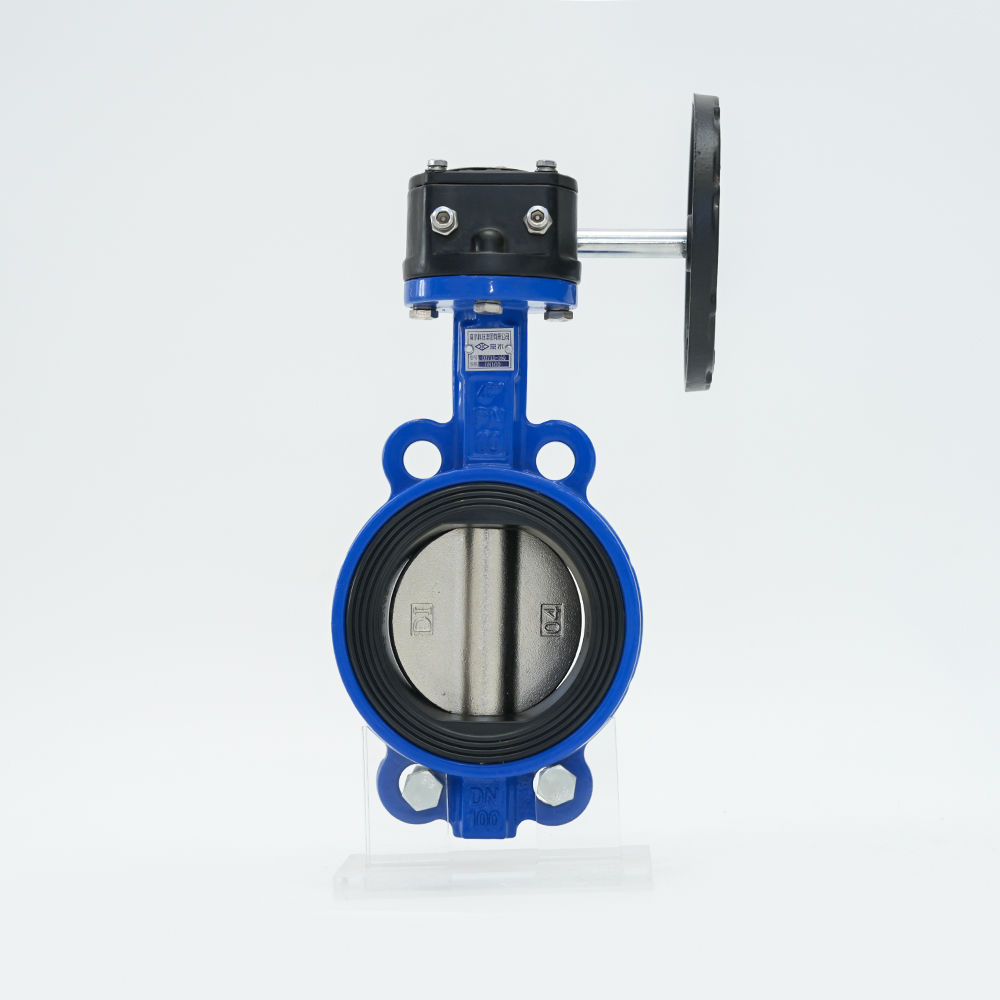 Ductile Iron Turbine Wafer Butterfly Valve D371X-16Q Suppliers, OEM/ODM Company Changshui is China custom Ductile Iron Turbine Wafer Butterfly Valve D371X-16Q suppliers and OEM/ODM Turbine Wafer Butterfly Valve D371X-...View Product →
Stainless Steel Specification News Usually Comes Down to 304 Versus 316L
For process industries handling chlorides, acids, or marine atmospheres, the recurring debate in stainless steel valve coverage is not whether to use stainless steel but which grade. The functional difference between 304 and 316L is molybdenum: 316L adds roughly 2 to 3 percent, and that addition resists pitting and chloride stress corrosion cracking in coastal, chemical, and pharmaceutical environments. This comparison reappears in industry news every time a plant reports premature failure of a stainless valve in saltwater or chemical service.
When a manufacturer introduces a new stainless steel valve, the news that matters is whether the body, ball, and trim have been matched to the correct grade for the intended fluid. Ball valves concentrate wear on the ball and seats, which makes grade selection a reliability issue rather than only a corrosion issue. A stainless steel flange ball valve specified with 316L components is a different product, in service life terms, than the same pattern built with 304 trim.
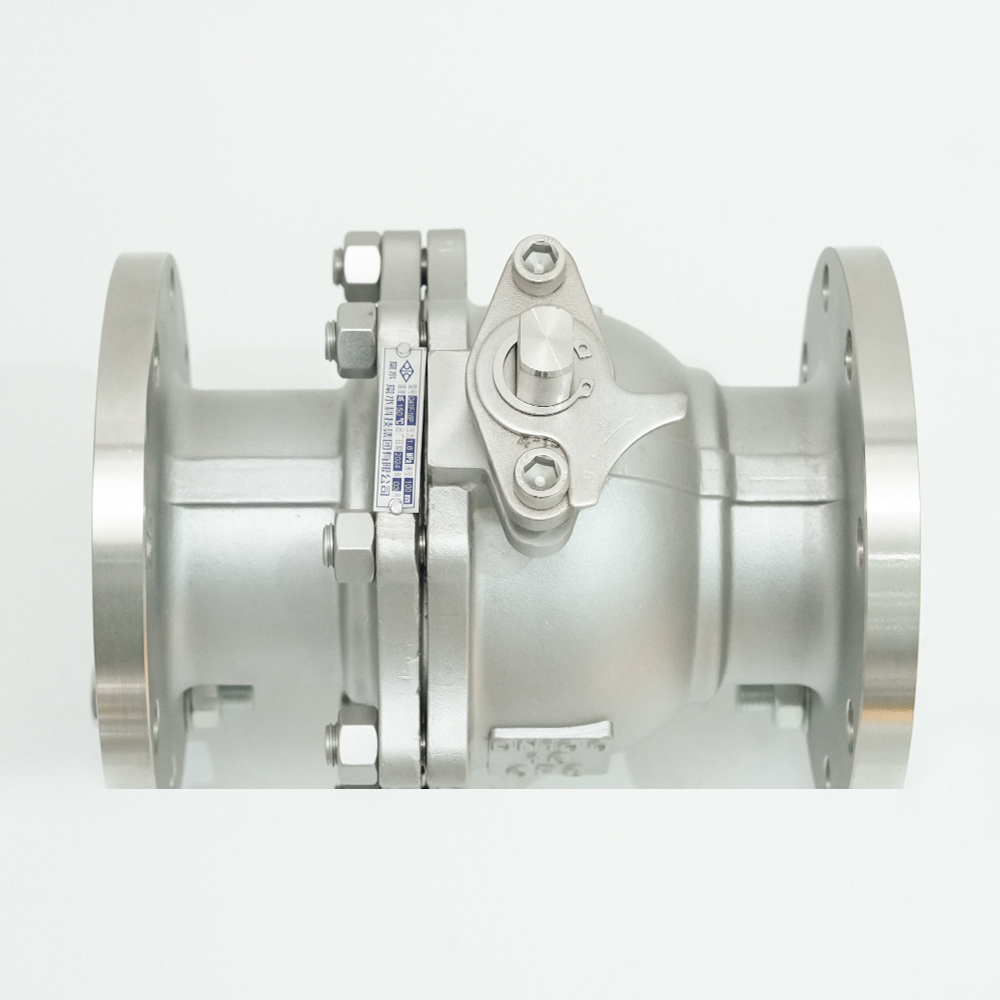 Stainless Steel Flange Ball Valve Q41F-16P Suppliers, OEM/ODM Company - ChangshuChangshui is China custom Stainless Steel Flange Ball Valve Q41F-16P suppliers and OEM/ODM Stainless Steel Flange Ball Valve Q41F-16P com...View Product →
Cast Steel Holds the High-Temperature Ground
For steam, high-temperature process, and oil and gas service, cast steel valve news tends to center on material grades and temperature limits. A carbon steel valve rated for a given pressure class can still deform or lose seat integrity when cycled repeatedly at the upper end of its temperature envelope. The engineering discussion follows a consistent pattern: grade chemistry, casting method, and heat treatment determine whether a valve survives thermal cycling or develops cracking around the seat. Procurement teams in power and chemical plants therefore watch material-grade declarations more closely than pressure-class numbers when reviewing a vendor's documentation.
Compliance and Certification News Reaching the Valve Industry
Standards updates do not generate many headlines outside technical journals, but they change acceptance criteria quickly. A valve that cleared inspection last year may no longer satisfy a project specification after a single revision.
Fire-Safety Test Standards Are a Common Flashpoint
Valves specified for hydrocarbon and other flammable services are commonly required to meet either API 6FA or API 607 fire-test requirements. Both standards evaluate the same family of risks: external leakage during flame exposure, internal leakage after the fire test, and the ability of the valve to operate under fire conditions. They differ in test durations, acceptance criteria, and applicable scope, which means a certificate issued against the wrong standard can fail a project audit. Buyers who keep the difference current are less likely to discover at inspection that their supplier's documentation does not match the tender requirement.
Pressure-Temperature Ratings Cross Multiple Standards
The same valve design can be rated under ASME, API, or ISO pressure classes, and those ratings do not always line up as intuitively as the flange class suggests. A valve ordered for a 150-class flange may be acceptable under one standard and outside its temperature envelope under another. What matters for buyers is not which standard appears in a headline but whether the manufacturer publishes ratings across all relevant systems. When a supplier does not state the reference standard, the buyer inherits the engineering risk.
How to Turn Industrial Valve News Into a Procurement Checklist
Following valve news with a purchasing mindset does not require reading every story. It requires filtering for changes that affect your specific service conditions.
- Track the test standards that apply to your applications, and verify each batch against the latest revision.
- When you see a material-related failure story in your industry, ask whether your current valve grade addresses the same failure mechanism.
- When a supplier announces an acquisition or ownership change, request written confirmation on warranty coverage, spare parts, and certification continuity.
- When a project award adds visible capacity pressure to the same valve type you buy, extend your lead-time assumptions and place frame orders earlier.
Much of this information is available directly from manufacturers. Our industry news archive collects technical and market updates in one place, with the level of detail needed to move from headline to specification. For company-specific changes, such as product line adjustments and certification progress, the company news section is the more direct source.
The Bottom Line: Treat Valve News as a Technical Input
The industrial valve industry moves in material upgrades, test standard revisions, and capacity decisions rather than sudden revolutions. Those changes take months to reach a buyer's warehouse, and they show up first in trade coverage, supplier announcements, and technical publications. The teams that treat valve news as a technical input, checking material claims, confirming test methods, and updating supplier qualification criteria, are the ones that do not get surprised by a rejected certificate, a cracked valve body, or a six-month delivery delay.
The most reliable supplier in a changing market is the one that publishes its standards, states its material grades, and documents its testing. When you evaluate a new manufacturer, that published documentation is the news that matters most.