
 中文简体
中文简体 English
 русский
Content
What Control Valve Leakage Means in Practice
Control valve leakage classes look like a small note at the bottom of a data sheet, but they define a measurable acceptance condition: how much fluid may pass through a valve when it is fully closed. The most widely referenced standard, ANSI/FCI 70-2, divides seat leakage into six classes, from an untested design condition to a bubble-tight shutoff. IEC 60534-4 follows the same logic, so the terminology stays consistent in international projects. If the wrong class is specified, the result is either an overpriced valve, a process that loses product through the seat, or a valve that fails its factory acceptance test. Every leakage class should therefore be checked against the process pressure, the fluid properties, and the shutoff duty before a purchase order is placed.
ANSI/FCI 70-2 Leakage Classes I to VI
FCI 70-2 defines six seat leakage classes for control valves. The table below summarizes them from the loosest to the strictest performance level. For classes II to IV, the allowable leakage is expressed as a percentage of rated valve capacity, which is the flow that would pass through the valve at the rated travel and reference pressure drop. Rated capacity is based on the flow coefficient of the valve, so you need to know how to calculate and apply valve Cv to interpret the table correctly.
| Class | Allowable Leakage | Seat Construction | Typical Service |
|---|---|---|---|
| I | No leakage test required | Metal-to-metal | Structural integrity, no shutoff guarantee |
| II | 0.5% of rated valve capacity | Metal-to-metal | General industrial service with moderate shutoff |
| III | 0.1% of rated valve capacity | Metal-to-metal | Improved metal seating without soft parts |
| IV | 0.01% of rated valve capacity | Metal-to-metal | Standard metal-seated control valve duty |
| V | 5 × 10⁻⁴ mL/min per inch of port diameter per psi differential | Metal, lapped or closely fitted | High-pressure gas and critical processes |
| VI | 0.15 to 6.6 mL/min, depending on port size | Soft seat (PTFE, EPDM, PEEK) | Bubble-tight shutoff for gases and clean liquids |
Class V is intentionally stricter than the capacity-based classes. Its limit is a fixed volumetric rate per inch of port diameter per psi of differential pressure, not a percentage of capacity. Class VI is also rated by direct volume, with the limits set according to port diameter.
What Each Leakage Class Means in Service
Metal-Seated Classes: II to V
Class II is the generic industrial standard for metal-seated valves. It gives a practical guarantee that the valve closes, but not that it closes tightly. Class III improves the seating by better surface finish and tighter fitting parts, while class IV is the workhorse specification for metal-seated control valves. With lapped seats and careful alignment, class IV can pass a factory test with no visible leakage, but in service it allows a small seepage that must be accepted. Class V is used when the fluid is a valuable gas, a hazardous gas, or when seat leakage must be minimized despite high differential pressure. Keeping a class V valve in that condition requires precision grinding, stable piping loads, and a strong actuator with enough thrust to compress the metal sealing surfaces.
Soft-Seated Class: Bubble-Tight Shutoff
Class VI is the bubble-tight class. It is achieved with a soft seating material such as PTFE, EPDM, FKM, or PEEK, which deforms slightly under closing force and fills seat irregularities. Because the material is softer than the metal counterface, the valve can reach leakage levels that metal-to-metal seats cannot reach without extensive lapping. Class VI is common in gas isolation, clean water, and process systems where the fluid is clean enough to avoid erosion of the seat.
For water, HVAC, or fire-protection applications where tight closure is required at moderate pressure, a soft-sealed wafer butterfly valve with an EPDM seat is a direct and economical route to class VI performance. When the fluid is corrosive, a PTFE-seated stainless steel flange ball valve provides the same bubble-tight closure without relying on a lapped metal-to-metal pair.
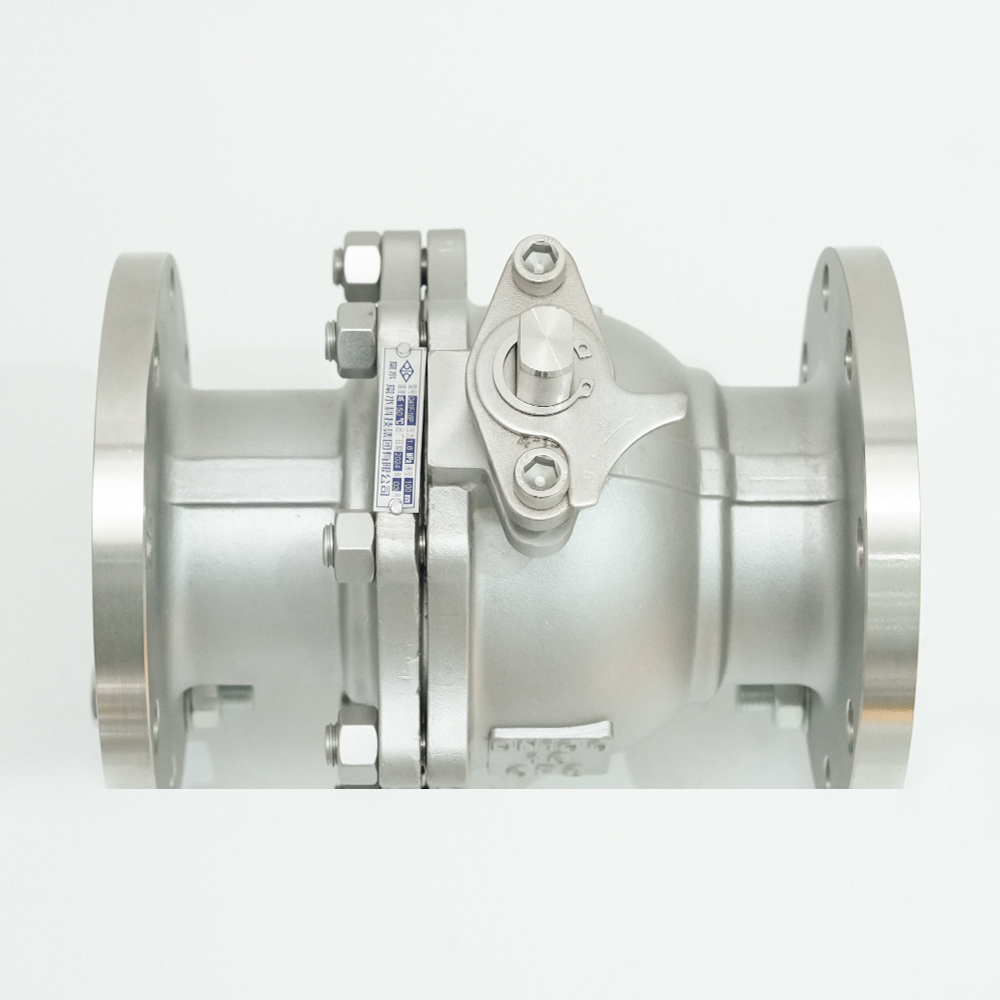 Stainless Steel Flange Ball Valve Q41F-16P Suppliers, OEM/ODM Company - ChangshuChangshui is China custom Stainless Steel Flange Ball Valve Q41F-16P suppliers and OEM/ODM Stainless Steel Flange Ball Valve Q41F-16P com...View Product →
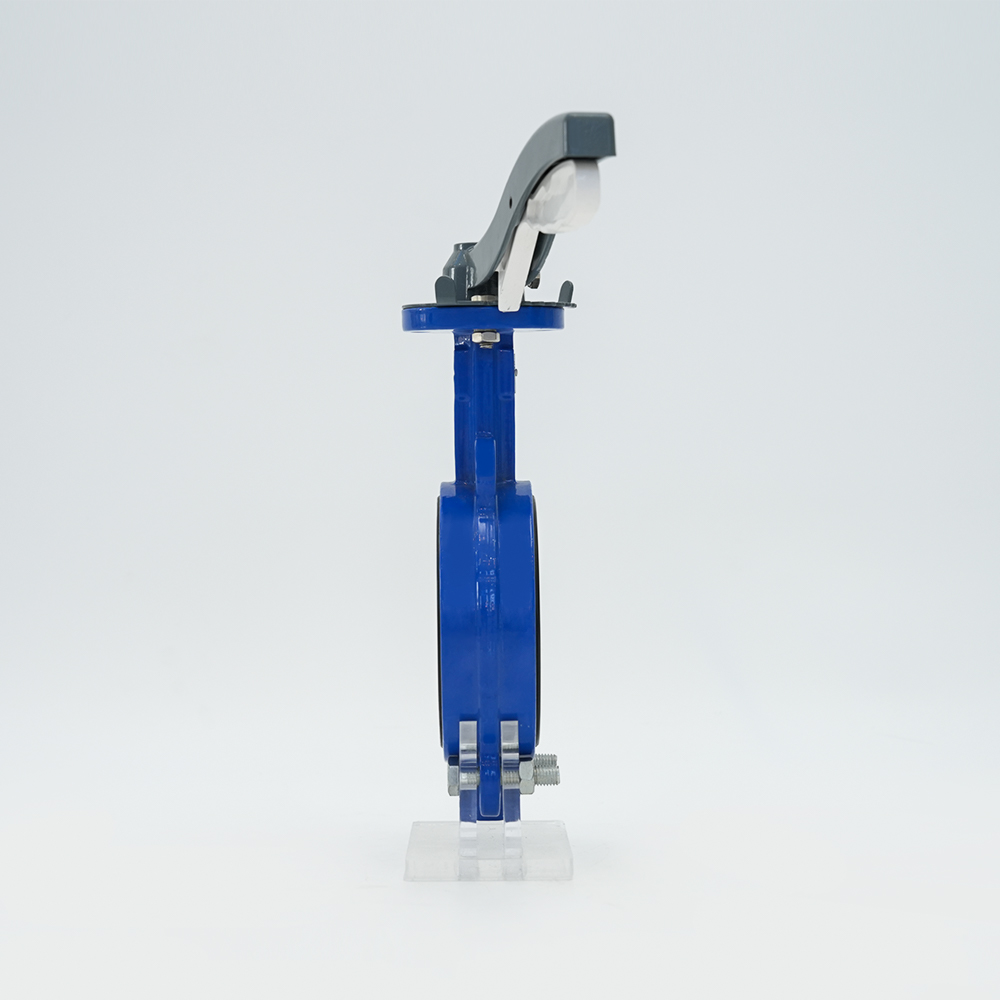 Ductile Iron Handle Wafer Butterfly Valve D71X-16Q Suppliers, OEM/ODM Company - Changshui is China custom Ductile Iron Handle Wafer Butterfly Valve D71X-16Q suppliers and OEM/ODM Handle Wafer Butterfly Valve D71X-16Q ...View Product →
How Leakage Testing Works in the Factory
Leakage classes are only meaningful if the test conditions are defined. FCI 70-2 and IEC 60534-4 specify the test medium, test pressure, temperature range, and allowable leakage for each class. The usual factory procedure follows the sequence below:
- Place the valve in the fully closed position and connect the test medium to the upstream side.
- Apply the specified pressure differential and allow the pressure to stabilize.
- Let soft seats or metal sealing surfaces reach a stable temperature before measurement.
- Collect the leakage flow over the specified test duration, or count bubbles for class VI.
- For class I, leakage is not measured; the requirement is limited to the structural design.
Water or kerosene is common for liquid tests, while air or nitrogen is common for gas tests. Gas testing generally produces a higher measured leakage than water testing because gas viscosity is lower, so a valve that passes with water may still fail with gas. Class VI is therefore normally checked with air or nitrogen and evaluated by bubble counting.
How to Choose the Right Leakage Class
Choosing a leakage class is not about picking the highest number. The correct class depends on what the valve will handle and what failure costs you are prepared to accept. The main selection factors are:
- Differential pressure. Higher pressure increases leakage for the same seat geometry, so a stricter class must be paired with more actuator thrust.
- Temperature. Soft-seat materials lose their sealing capability at elevated temperatures, so hot steam or thermal oil service normally requires a metal-seated class IV or V design.
- Fluid condition. Dirty fluids, scaling, or cavitation will quickly damage a soft seat; class IV is often more stable for such services.
- Safety and emissions. Flammable, toxic, or odorous fluids demand the lowest practical leakage, which is class VI for soft-seated designs or class V for metal-seated designs.
- Maintainability. A soft seat can be replaced in a routine overhaul, while a metal seat may need to be ground and lapped, adding downtime.
For bubble-tight shutoff in a new water or process system, both butterfly valves and ball valves can reach class VI, but their flow, torque, and installation requirements differ. Before selecting between the two styles, it helps to compare butterfly valves and ball valves to match the valve style with the piping layout and actuator torque.
The pressure capability of the body material also limits the practical leakage test, so the manufacturer's pressure-temperature ratings of cast steel valves should be reviewed together with the leakage class. A tight class on paper does not help if the body or trim cannot handle the operating pressure range.
Procurement and Acceptance: Final Checks
In a procurement specification, write the leakage class together with the test medium, test pressure, test duration, and acceptance criterion. A class label without test conditions is only a design intention. Require the factory test report and confirm that the actuator, stem, and seat are compatible before installation. If the actual operating pressure is higher than the test pressure, the leakage in service will be higher as well, and the class may not hold. Keep the same rigor during maintenance: replace seats, lightly lap damaged surfaces, or change soft seats when leakage begins, and validate the repaired valve with the same test method. A valve that meets its stated leakage class is a maintainable, predictable component; one that does not becomes a hidden operating cost.