
 中文简体
中文简体 English
 русский
Content
Ask three people to explain the difference between API 607 and API 608 and you will usually get three different answers, because the two documents tend to appear side by side on a specification sheet as though they were alternatives. They are not. One is a fire test. The other is a product specification for metal ball valves. Knowing which question each one answers is the quickest way to stop ordering the wrong paperwork.
What follows is a practical comparison: what each standard actually covers, where they overlap, and what to ask for when a project calls out both.
API 607: A Fire Test, Not a Manufacturing Standard
API 607 is titled Fire Test for Quarter-turn Valves and Valves Equipped with Nonmetallic Seats. It describes a test, the conditions under which that test is run, and the leakage limits a valve has to stay within after it has been exposed to fire.
The logic behind it is easy to follow. A soft seat made of PTFE, RPTFE, rubber or another polymer seals beautifully at normal temperatures, but it cannot survive a fire. What survives is the metal body, the ball or disc, the stem, and whatever metal-to-metal back-up surfaces the design includes. API 607 exists to prove that once the soft parts are gone, the valve still holds together, still limits leakage to a defined rate, and can still be operated afterwards.
The test itself follows a fixed sequence:
- The valve is mounted in a rig inside a fire enclosure, in a defined position, and pressurized.
- Burners apply a controlled flame. The flame temperature is monitored, and the burn is held for a specified period, commonly 30 minutes.
- The fire is extinguished and the valve is cooled and re-pressurized.
- External leakage past body joints, the stem and the end connections is measured against the limits set by the standard.
- Through-seat leakage is measured with pressure applied to one side of the closed valve.
- The valve is operated open and closed, with the effort recorded, to confirm the metal back-up has not seized or deformed.
The tested valve is ruined in the process, so API 607 is a design qualification, a type test, rather than something repeated on every unit that ships. Two further points are worth holding on to: the standard covers quarter-turn valves such as ball, butterfly and plug valves, along with valves fitted with non-metallic seats more generally; and it says nothing at all about materials, dimensions or pressure ratings. It only asks how the valve behaves in a fire.
In our own range, that quarter-turn family includes flanged cast steel butterfly valves built with metal seats for high-temperature lines, which is a different starting point from a soft-seated valve that needs fire-test evidence:
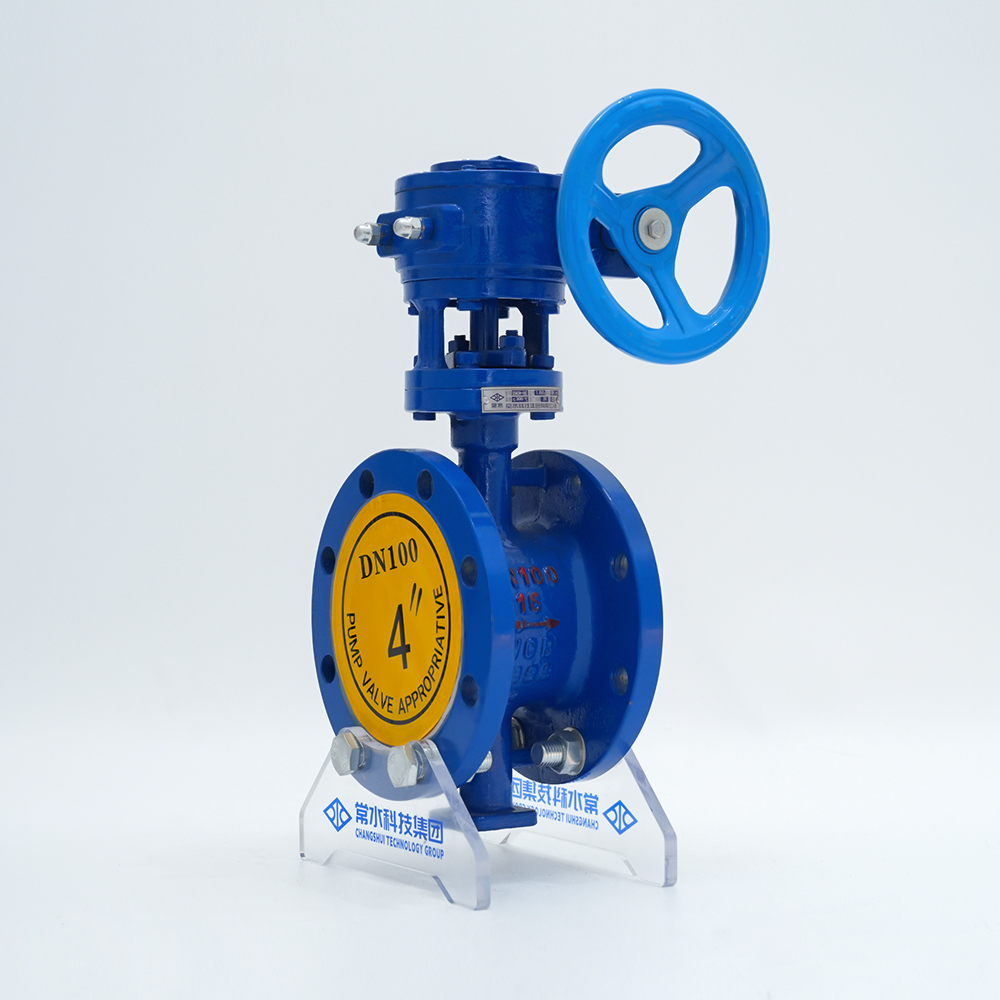 Cast Steel Flange Butterfly Valve D343H-16CA metal-seated quarter-turn valve for high-temperature lines, featuring three-way eccentric sealing, low pressure drop, and optional pneumatic or electric actuation.View Product →
API 608: The Specification You Build To
API 608, Metal Ball Valves (Flanged, Threaded, and Welding End), is a purchase specification. It tells a manufacturer how to build a metal ball valve, and tells a buyer what to expect when one arrives on site.
Where API 607 asks what happens in a fire, API 608 covers a much wider set of questions: body, ball and stem materials; pressure-temperature ratings consistent with ASME B16.34; minimum wall thickness; face-to-face and end dimensions; stem retention so the stem cannot blow out under pressure; anti-static continuity between ball and stem; marking; documentation; and pressure testing.
Two aspects of its scope matter for this comparison. First, API 608 deals with ball valves only, so a butterfly valve or a check valve will never be ordered to it, whatever seat material it uses. Second, API 608 requires valves with non-metallic seats to be qualified by fire test, normally to API 607. The product standard points back to the fire test standard for soft-seated designs rather than replacing it.
Pressure testing under API 608 is routine production work: a shell test at a multiple of the rated pressure, and a seat test to confirm the valve closes tight, with acceptance criteria set by the standard. That is an inspection activity, not a destructive type test.
API 607 vs API 608: Side by Side
The table below places the two documents next to each other. Read it as what each standard is for, rather than which one is better, because the second question does not really exist.
| Aspect | API 607 | API 608 |
|---|---|---|
| Document type | Fire test and qualification standard | Product purchase specification |
| Main question | Will the valve still work after a fire? | How should the valve be designed, built and tested? |
| Valve types covered | Quarter-turn valves and valves with non-metallic seats | Metal ball valves with flanged, threaded or welded ends |
| Fire exposure | Defined burn with monitored flame temperature and duration | Not a fire test; calls for API 607 qualification where soft seats are used |
| Pressure testing | External and through-seat leakage after the burn, plus an operability check | Shell and seat tests on the finished valve |
| Nature of the test | Destructive type test on a design | Routine production and inspection testing |
| Typical trigger | A project spec calling for fire-safe soft-seated valves | A purchase order for ball valves |
They Are Not Competitors: They Stack
Once the two documents are separated, most of the confusion disappears. A project that needs soft-seated ball valves in hydrocarbon service will usually specify both: build the valve to API 608, and demonstrate the fire behaviour to API 607. The first governs how the valve is made, tested and marked. The second governs what happens to it when something goes wrong.
Be careful with a specification that names only one of them. Fire-test language alone tells a supplier what test to pass, and nothing about dimensions, materials or marking. A product standard alone leaves the fire question open whenever polymer seats are involved, and a careful supplier will raise it. Similar fire-test documents exist for other valve families: API 6FA covers a broader range of valve types and is often paired with API 6D pipeline valves, while ISO 10497 provides an international equivalent of the fire test method. If your project mixes pipeline valves with quarter-turn valves, the difference between API 6FA and API 607 is worth twenty minutes of your time.
What to Ask Before You Order
- Which edition of the standard is called out on the purchase order, and does the certificate reference the same edition?
- Does the fire-test qualification actually cover the size, pressure class and seat material being ordered? Qualifications usually apply to a design family within a size range, not to everything a factory makes.
- Can the fire-test report be supplied? Check the burn duration, the recorded flame temperatures, the leakage figures and the operating effort measured after the fire.
- Are the shell and seat pressure tests documented separately from the fire test? They address different failure modes.
- If the service is water rather than hydrocarbons, does the fire-test requirement belong in the specification at all, or was it copied from an old template?
A soft-seated ball valve ordered to API 608 is the classic case where both standards arrive together: the specification defines the valve, and the fire test qualifies the seat design.
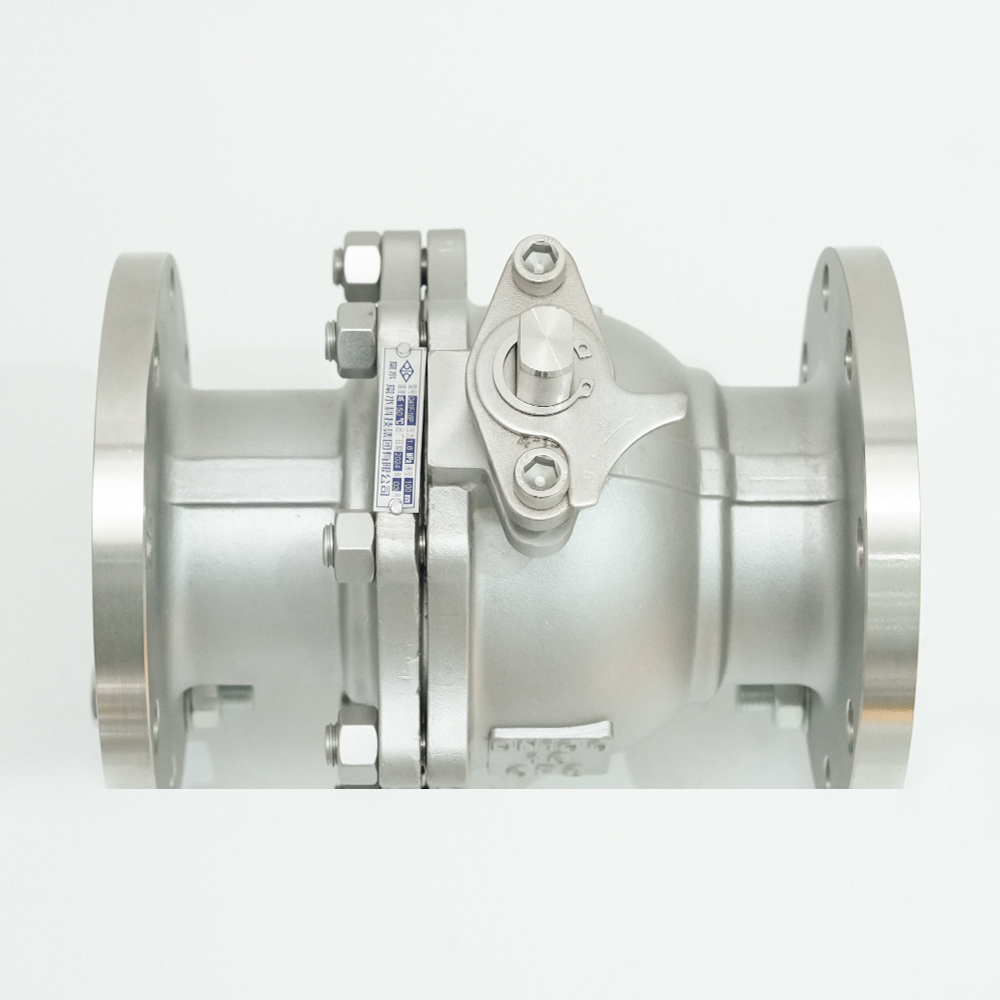 Stainless Steel Flange Ball Valve Q41F-16PStainless steel flanged ball valve for shutoff or connection in petroleum, chemical, pharmaceutical, fertilizer, and power pipelines; available for OEM/ODM sourcing.View Product →
Where the Two Standards Turn Up in Everyday Systems
Most demand for API 607 comes from oil, gas, petrochemical and power projects, but the vocabulary drifts into water and fire protection work as well. A fire main is expected to keep functioning in conditions that would destroy a rubber-lined valve, which is one reason grooved-end butterfly valves and grooved check valves are so common in those systems: installation is quick, the couplings tolerate movement, and the metal back-up can still hold a seal when the soft seat is gone. Grooved designs from our ductile iron line are built for that kind of service:
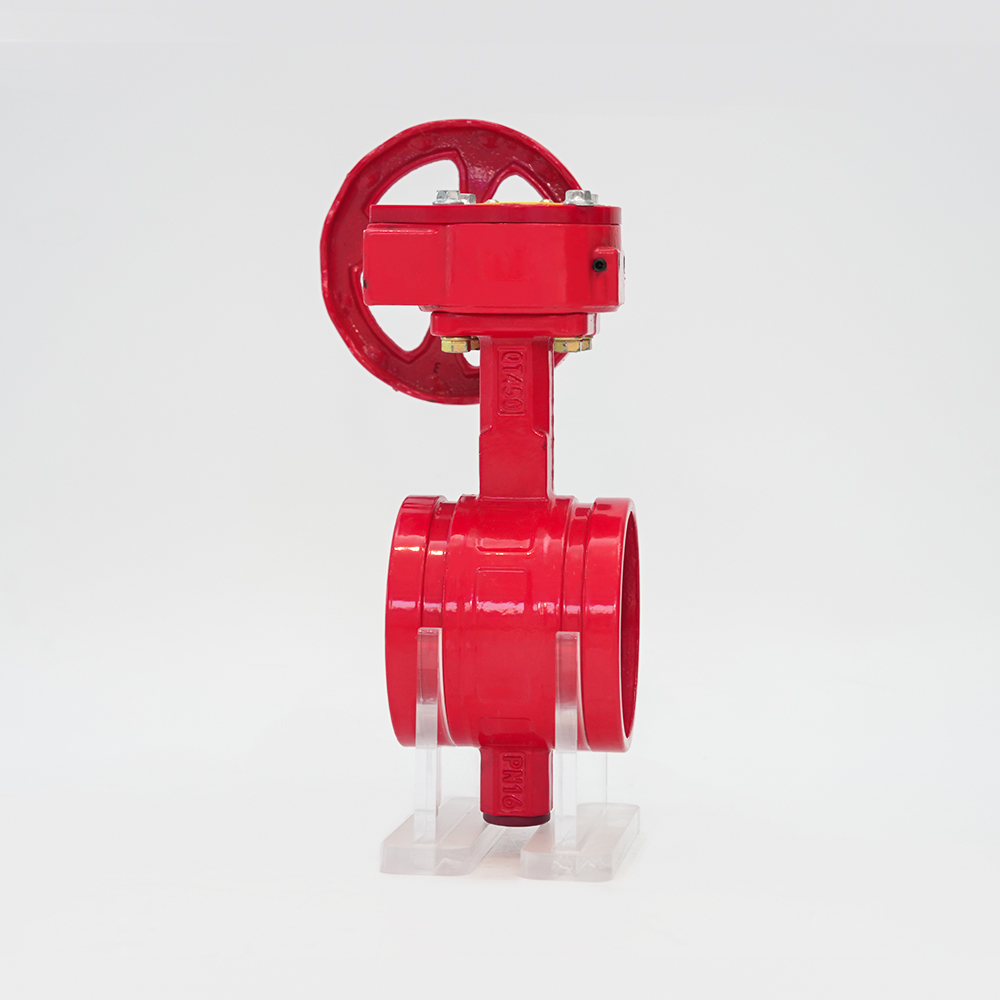 Turbine Groove Butterfly Valve D381X-16QDuctile iron grooved butterfly valve for water supply and drainage, with worm gear operation, DN50–300 sizes, and 0–80°C water service.View Product →
Test reports, material certificates and qualification documents for the designs above can be requested with your enquiry, and our certificate page outlines the approvals we hold.
The Short Version
API 607 is a fire test for quarter-turn valves and valves with non-metallic seats. It is destructive, it is a design qualification, and it measures leakage and operability after a controlled burn. API 608 is a purchase specification for metal ball valves with flanged, threaded or welded ends, covering design, materials, dimensions, marking and pressure testing, and it requires fire-test qualification to API 607 wherever soft seats are used.
If a specification ever asks you to choose between the two, the honest answer is that they were never in competition. Order the ball valve to API 608, qualify it to API 607, and confirm that the certificate matches the size, class and seat material you are actually buying.