
 中文简体
中文简体 English
 русский
Content
- 1 Why Valve Selection Matters in Chemical Processing
- 2 The 6 Most Common Valve Types for Chemical Applications
- 3 Material Compatibility: Matching Valve Materials to Process Media
- 4 Compliance & Certification: What You Must Check Before Buying
- 5 Common Valve Failure Modes & How to Prevent Them
- 6 Total Cost of Ownership: Comparing Valve Options
- 7 Actuator Selection for Chemical Valves
- 8 Final Checklist: 10 Questions to Ask Your Valve Supplier
Why Valve Selection Matters in Chemical Processing
A single valve failure in a chemical plant can trigger a domino of losses — ruptured lines, toxic releases, and shutdowns that drain over $5 million per incident by the time production resumes. In an industry where fluids can be acutely corrosive, flammable, or polymerizing at the wrong temperature, the valve is the line of defense that either holds or breaks.
Chemical processing valves do more than open and close. They throttle flow with precision, isolate dangerous sections for maintenance, and prevent backflow that could contaminate entire batches. Yet field data from refining and petrochemical surveys consistently shows that as many as 40% of unscheduled plant outages trace back to a valve problem. The root cause is rarely a manufacturing defect — it’s almost always a mismatch between the valve and the process conditions it was never designed to handle.
Choosing correctly means analyzing the medium, temperature swings, pressure spikes, and required leak tightness before looking at a single datasheet. This article lays out the materials, types, compliance requirements, and cost models you need to make that choice with confidence.
The 6 Most Common Valve Types for Chemical Applications
No single valve type dominates every chemical line. The right choice balances shut-off tightness, flow control precision, maintenance access, and the corrosive personality of the process fluid. The six workhorses below cover most on-off, throttling, and backflow-prevention tasks in modern chemical plants.
| Valve Type | Pressure Class (ASME) | Typical Temp. Range | Leakage Class | Best Suited Media | Relative Cost |
|---|---|---|---|---|---|
| Ball Valve | 150 – 2500 | -50°C to 250°C | Class VI (bubble-tight) | Clean liquids, gases, solvents | Medium |
| Butterfly Valve | 150 – 600 | -20°C to 200°C | Class IV–VI | Large-diameter water, acids, slurry | Low |
| Globe Valve | 150 – 2500 | -196°C to 550°C | Class IV–V | Steam, heat transfer fluids, chemicals needing fine throttling | High |
| Gate Valve | 150 – 4500 | -29°C to 650°C | Class II–III | Full-bore on-off for viscous or abrasive fluids | Medium-High |
| Check Valve | 150 – 2500 | -196°C to 800°C | Depends on design | Preventing reverse flow in pump discharge lines | Low-Medium |
| Diaphragm Valve | 125 – 300 lb | -30°C to 150°C | Class VI | Corrosive, abrasive, or sticky media; slurries | Medium |
Ball valves dominate where fast quarter-turn operation and zero leakage matter — think reactor feed lines and solvent distribution. Their cavity can trap media, however, making them less friendly for slurries unless a cavity-filler design is specified. Stainless steel ball valves handle a wide range of mild acids and hydrocarbons, but when chlorides exceed 100 ppm, duplex or lined alternatives become necessary.
Butterfly valves provide a lighter, less-expensive option for large-diameter piping. Resilient-seated designs seal well up to about 200°C; high-performance double-offset and triple-offset versions extend the range. For highly aggressive acids, fluorine-lined butterfly valves combine the cost advantage of a butterfly body with near-universal chemical resistance.
Globe valves remain the standard for precise throttling. Their tortuous flow path generates higher pressure drop, but in a temperature-control loop where a degree of offset can ruin a batch, that controllability justifies the cost. Gate valves excel in fully open or closed service; they are not meant for throttling — a half-open gate under high-velocity flow erodes quickly.
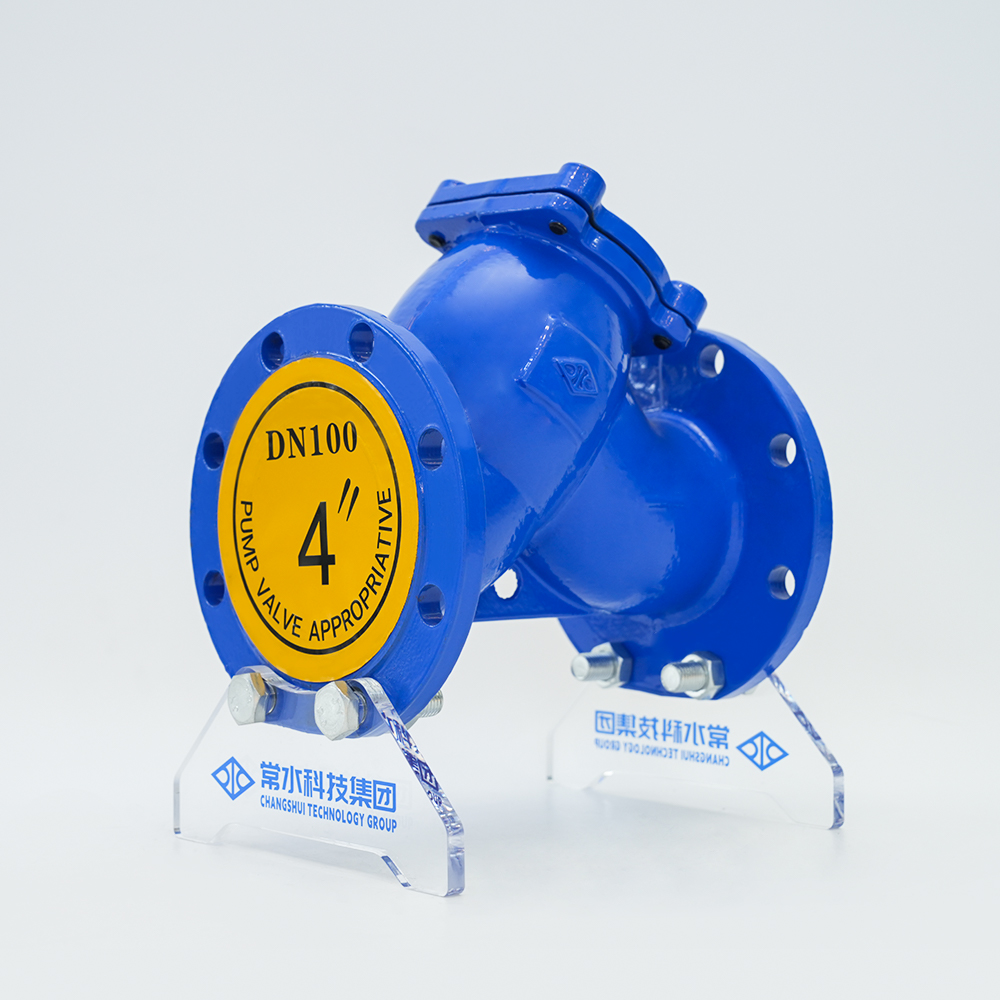
Check valves protect pumps and compressors from destructive backflow. In chemical plants, ductile iron check valves with rubber discs or spring-assisted closure handle water, mild alkalis, and non-aggressive hydrocarbons. For solvents and acids, stainless or lined internals are essential.
Material Compatibility: Matching Valve Materials to Process Media
Corrosion eats capital — a Hastelloy valve in the wrong acid can pit through in weeks, while the same valve in the right place runs for a decade. The first filter in selection is the chemical species, its concentration, and the operating temperature. Even trace impurities such as chloride ions can transform a benign stream into a stress-corrosion threat for austenitic stainless steels.
| Chemical | Concentration & Temp. | Recommended Material | Resistance Rating (1–5) |
|---|---|---|---|
| Sulfuric Acid (H₂SO₄) | ≤70%, <50°C | PTFE-lined / PVDF-lined | 5 |
| Sulfuric Acid | 98%, <35°C | Hastelloy C-276 / 316L (limited) | 4 (Hastelloy), 2 (316L) |
| Hydrochloric Acid (HCl) | Any concentration | PTFE-lined / PVDF-lined | 5 |
| Nitric Acid (HNO₃) | ≤60%, up to 80°C | 316L SS / Hastelloy C-276 | 5 |
| Caustic Soda (NaOH) | 50%, <80°C | 316L SS / Ductile Iron (w/o chloride) | 4 |
| Chlorine (dry gas) | <100°C | Carbon Steel (dry) / Hastelloy C | 5 (steel only if dry) |
| Chlorine (wet/acidic) | Any | PTFE-lined / Hastelloy C | 5 |
| Acetic Acid | Glacial, up to 120°C | 316L SS / Hastelloy C-276 | 5 |
| Methylene Chloride / Solvents | Below boiling point | 316L SS / PTFE-lined | 4 |
| Hydrofluoric Acid (HF) | ≤60%, <50°C | PVDF-lined / Monel (limited) | 5 (PVDF), 3 (Monel) |
Lined valves — with PTFE or PVDF — offer near-universal protection against acids, alkalis, and solvents, but their temperature ceiling typically caps at 150°C. A PTFE-lined ball valve can handle 98% sulfuric acid at ambient temperature with a service life exceeding 8 years, whereas a 316L stainless valve in the same stream might last less than 6 months before pinhole leaks appear. The trade-off is mechanical: liners can deform under rapid thermal cycling, so specifying a reinforced liner or a PFA option is prudent when temperature swings exceed 50°C per minute.
For high-temperature corrosive service, solid alloy valves in Hastelloy C-276 or duplex stainless deliver both strength and chemical resistance. They cost 3–5 times more than lined equivalents but withstand temperatures up to 800°C while resisting chloride stress corrosion — a combination no plastic liner can match.
Compliance & Certification: What You Must Check Before Buying
A valve that performs well in the lab can still fail an audit if it lacks the certifications your plant’s permit-to-operate requires. Chemical facilities governed by OSHA PSM, EPA RMP, or local fire codes often mandate specific design standards, fire-safe testing, and fugitive emission limits. Skipping this step leads to expensive retrofits or, worse, a forced shutdown.
| Certification / Standard | What It Covers | Why It Matters |
|---|---|---|
| ASME B16.34 | Pressure-temperature ratings, materials, dimensions | Ensures the valve body and bonnet can handle rated pressure across the operating temperature range |
| API 607 / 6FA | Fire-safe testing (soft-seated valves) | Confirms the valve will maintain minimal leakage during and after a fire, protecting personnel and containment |
| ISO 15848-1 | Fugitive emission limits for volatile chemicals | Reduces atmospheric release of hazardous air pollutants; often required for EPA consent decrees |
| API 6D | Pipeline and process valve design, testing | Commonly referenced for ball, gate, and check valves in hydrocarbon and chemical transport lines |
| EN 10204 3.1 / 3.2 | Material traceability certificates | Provides auditable proof that the valve’s pressure-containing parts meet the specified chemical composition and mechanical properties |
Before authorizing a purchase order, cross-check the valve’s nameplate and inspection documentation against these five items. A missing EN 10204 3.1 certificate, for example, can halt a hydrotest witness inspection if the inspector questions material integrity. For plants handling benzene, vinyl chloride, or other listed HAPs, ISO 15848-1 Class B or C fugitive emission certification is no longer optional — it’s a legal requirement in many jurisdictions.
Common Valve Failure Modes & How to Prevent Them
When a valve fails in service, the failure mechanism itself often reveals what the specification missed. Three modes account for the vast majority of chemical-service valve replacements: corrosion perforation of the body or trim, erosion-wear of the seating surfaces, and cavitation-induced pitting in throttling valves. Each has a distinct fingerprint and a known set of countermeasures.
- Corrosion perforation. General or localized attack eats through the wall. In 316L valves exposed to hot hydrochloric acid, pinhole leaks can appear within 90 days. Prevention: switch to PTFE-lined or Hastelloy C-276 bodies. Where chlorides are present above 50 ppm, avoid stressed austenitic steel components and opt for duplex or Monel internals.
- Sealing surface wear. Repeated opening and closing under high-velocity flow erodes soft seats and metal-to-metal seals. A gate valve used for throttling can lose its seat tightness within 6 months. Prevention: specify hardened trim (Stellite #6 overlay) and keep gate valves strictly for on-off duty. For throttling, use a globe valve with a contoured plug designed for multi-step operation.
- Cavitation damage. When a throttled liquid’s pressure drops below its vapor pressure, bubbles form and collapse against the valve body, chiseling out material. Cavitation can destroy a standard carbon-steel butterfly valve in weeks. Prevention: select anti-cavitation trim with multi-stage pressure reduction, or shift to a globe valve body that accommodates a cage-guided low-noise plug.
The cost of ignoring these mechanisms is steep. A corroded body repair can easily surpass $15,000 when you include labor, gasket replacement, and hydrotest. Add 3 days of unscheduled downtime, and the total financial impact frequently crosses $150,000 — far more than the premium for a properly specified lined or alloy valve.
Total Cost of Ownership: Comparing Valve Options
Procurement teams that focus solely on the initial quote often end up paying three to four times that figure over a valve’s service life. A total cost of ownership (TCO) model that captures purchase price, installation, routine maintenance, lost production from a single failure, and expected years in service gives a radically different ranking. The table below illustrates a 5-year TCO projection for three common chemical-service valve choices on a 4-inch Class 300 line carrying mixed acids at 80°C.
| Cost Element | 316L Stainless Ball Valve | High-Performance Butterfly Valve (PTFE-Seated) | PTFE-Lined Ball Valve |
|---|---|---|---|
| Initial Purchase | $3,200 | $2,800 | $4,500 |
| Installation & Pipe Adaptation | $800 | $600 | $900 |
| Scheduled Maintenance (5 yr) | $1,200 (gland repack, seat inspection) | $500 (visual inspection, liner check) | $700 (liner inspection, possible retorque) |
| Unplanned Repair/Replacement (1 event) | $18,000 (body replacement after 3.5 yr due to Cl⁻ pitting) | $5,500 (liner replacement after 4.5 yr) | $0 (liner intact at 5 yr) |
| Production Loss (downtime cost) | $42,000 (4 days @ $10,500/day) | $15,750 (1.5 days) | $0 |
| Total 5-Year TCO | $65,200 | $25,150 | $6,100 |
The lined ball valve carries the highest upfront tag but eliminates chloride-induced pitting, keeping downtime at zero over the modeled period. The stainless option, attractive on price alone, becomes the most expensive once a single unplanned event is included. The high-performance butterfly valve offers a strong middle ground, but its liner life must be verified with the manufacturer under your exact temperature cycling conditions. Always request TCO projections for the specific medium, cycle frequency, and cleaning-in-place procedures your plant runs — not generic vendor charts.
Actuator Selection for Chemical Valves
The valve body may be chemically perfect, but the actuator that moves it determines how fast, how often, and with what safety cover the operation occurs. Chemical plants often wrestle with Class I Division 2 or Zone 1 hazardous areas, where a standard electric motor presents an ignition risk unless carefully protected. Three actuation families serve most on-off and modulating valve duties.
- Pneumatic (rack-and-pinion or scotch-yoke). Respond in 1–3 seconds, handle high cycle rates, and are intrinsically safe for explosive atmospheres. Purchase cost ranges from $500 (quarter-turn, small bore) to $3,000 (large double-acting). Maintenance is limited to air filter element changes and occasional seal replacement.
- Electric (multi-turn or quarter-turn). Offer precise position control with 0.1% repeatability, ideal for remote SCADA-operated lines. Costs start near $1,200 and can climb to $5,000 for modulating duty with a digital positioner. Not inherently spark-proof; an explosion-proof enclosure (Ex d) or a purging system adds roughly 30% to the price.
- Electro-hydraulic. Deliver high torque (up to 500,000 in-lb) for large gate valves and choke valves at low speed. Best for infrequent but critical movements where pneumatic supply is unavailable. Units typically start at $3,500 and require periodic oil cleanliness checks.
For a common ex-proof solvent-unloading station, a pneumatic double-acting actuator on a spring-return fail-safe ball valve is the default. In a batch reactor control loop where the control room needs exact valve position feedback, an electric actuator with a HART-enabled positioner shorts the decision tree. Choosing the wrong actuator not only delays response but can void the valve’s fire-safe certification if the actuator-to-valve mounting does not meet the tested assembly configuration.
Final Checklist: 10 Questions to Ask Your Valve Supplier
Even a well-researched specification can miss a detail that shifts the risk profile. Before you commit, run through these ten questions with your valve supplier. If they can answer each with supporting test reports or certificates, you have a supplier who understands chemical service.
- What is the full chemical composition, including trace chloride and fluoride content, of my process stream — and which valve materials have been proven in this exact medium?
- Can you provide an ISO 15848-1 fugitive emission certificate for this valve in the same temperature cycle my plant experiences during steam-out?
- What is the pressure-temperature envelope per ASME B16.34, and does the valve meet Class 150 or 300 at my maximum upset temperature?
- Is the valve fire-safe tested to API 607 or 6FA, and do you have the type test report?
- What is the expected service life of the soft goods (seats, seals, packing) in my specific chemical, and when should we schedule the first replacement?
- Can you supply EN 10204 3.1 mill certificates for all pressure-containing castings and forgings, including the stem material?
- Is the valve available with a live-loaded stem packing and a lantern ring for leak-off detection, and can it be monitored online?
- What is the actuator’s safety integrity level (SIL) certification if this valve is part of a safety instrumented function?
- How do you guarantee interchangerability of replacement parts across different valve lots — do you maintain dimensional control records?
- What is your standard ex-works delivery and what on-site commissioning support do you include for first-time chemical service installations?
Suppliers who hesitate on questions about fugitive emissions, material traceability, or fire-safe certification are signalling a compliance gap that will eventually become your problem. A complete answer package, backed by third-party test reports and documented service histories in similar plants, transforms a vendor transaction into a risk-management partnership.