
 中文简体
 English
 русский

Content
Ball valves are usually the least demanding valve in a pipeline: a quarter turn of the handle, a floating or trunnion-mounted ball, and a pair of seats doing the sealing. Because there is so little to adjust, maintenance teams often assume there is nothing to do. In practice, most of the ball valve problems we hear about from water utilities, HVAC contractors and plant engineers trace back to a handful of avoidable habits rather than to the valve itself.
What follows is a shop-floor view of ball valve maintenance: what to check, how often to check it, which symptoms point to which part, and where a small change in operation saves a full replacement two winters later. It applies to general-service ball valves in water, HVAC, fire protection and light chemical duty, including the flanged and threaded products our own workshops assemble every week.
What Actually Wears on a Ball Valve
Cut open a ball valve after ten years of clean-water service and you will usually find three things: a lightly polished ball, seats with a shallow seating ring, and a stem seal that has taken most of the punishment. The body and stem are often still perfectly serviceable. That tells you where to spend your maintenance hours, and where not to.
Four failure paths worth knowing
- Debris between ball and seat. Scale, weld slag or sand trapped at the sealing line scores the seat and produces the classic "it will not shut off completely" complaint.
- Ball surface damage. Deposits that dry on the ball, then get scraped off during a turn, leave fine scratches that grow into a leak path over time.
- Stem seal relaxation. Thermal cycling loosens gland packing and O-ring compression, which is why so many leaks appear at the stem rather than at the body.
- Seizure after long idleness. A valve left untouched for years can seize on its seats or stem; the first person to force the handle often finishes what corrosion started.
A Maintenance Schedule That Fits Real Sites
Perfect maintenance plans rarely survive a busy season. The schedule below is deliberately short and built around walk-by checks that a technician can do with the line in service, plus a small number of planned shutdown tasks.
| Interval | What to check | Why it matters |
|---|---|---|
| Monthly | Visual walk-by: weeping at stem, rust staining, handle condition, position indicator | Catches seal leaks before they damage the stem area |
| Quarterly | Exercise the full quarter turn, open to closed and back | Prevents seizure and deposit build-up on the ball |
| Annually | Operate under line pressure, verify tight shut-off, snug gland nut if needed | Confirms the valve can still isolate when it counts |
| Every 3 to 5 years | Seat and packing inspection, partial disassembly, lubrication where specified | Replaces the two wear items before they fail in service |
| After any shutdown | Flush and cycle the valve, re-torque body bolts on split-body designs | Removes debris introduced during the works |
A valve that is cycled daily and one that is touched twice a year age very differently. Adjust the interval to the duty, not to the calendar alone.
Operating Habits That Add Years of Service
Most of the damage we see is operational rather than mechanical, and it is corrected without buying a single part.
- Stop using a ball valve as a throttle. Leaving the handle at 30 degrees puts the seat ring in the flow path at high velocity; erosion and cavitation damage follow. Use a globe, butterfly or dedicated control valve for regulation and keep ball valves fully open or fully closed.
- Exercise every valve quarterly. A full quarter turn moves the ball off its seat contact line and breaks down light deposits before they harden.
- Never use a cheater bar. If the handle will not move by hand, the valve needs freeing, not forcing. Forcing bends the stem and can shear the ball-to-stem connection.
- Flush before commissioning. A short flush after new pipework, plus a Y-type strainer upstream of critical valves, removes most of the debris that ends up scored onto seats.
- Keep the operator accessible. Buried or insulated valves that cannot be reached do not get exercised, and unexercised valves are the ones that fail.
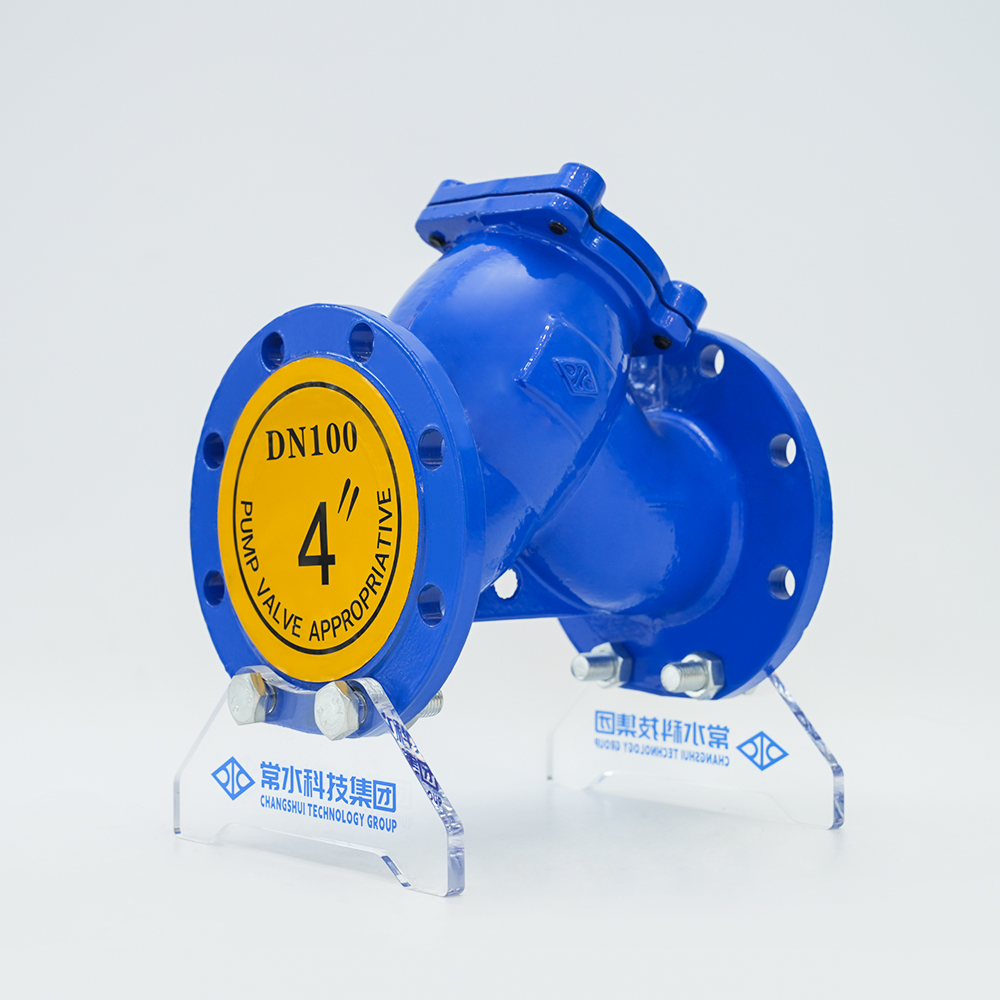
 Cast Iron Y-Type Pipeline Filter GL41H-16QA cast iron Y-type pipeline filter for protecting downstream valves and precision equipment; selectable mesh and DN40–600 sizes suit dirty or newly commissioned lines.View Product →
On dirty or newly commissioned lines, a strainer upstream is the cheapest maintenance decision on the whole project.
Seats, Packing and Lubrication
When a valve will not shut off
Before dismantling anything, cycle the valve open and closed three or four times with flow on. A surprising number of "leaking" ball valves are simply holding a chip of scale against the seat, and the flush clears it. If the leak persists, isolate the line and inspect the seat ring and ball for scoring. Soft seats in PTFE or reinforced PTFE are replaceable in most flanged designs and cost a fraction of a new valve.
Stem and gland leaks
A weeping gland is usually a compression issue, not a broken part. Tighten the packing nut a quarter turn at a time, with the valve in the open position, and stop as soon as the weep ceases. Over-tightening accelerates stem wear and makes the valve hard to operate. If the leak returns within a few weeks, replace the packing or O-rings rather than chasing it with more torque.
Lubrication: less than you think
Many ball valves are designed to run dry, and adding the wrong grease can swell elastomer seats. Where lubrication is specified, use the manufacturer's recommended product, apply it sparingly to the stem and, on lubricated-seat designs, through the grease fittings. Keep a simple record of what was applied and when; it prevents incompatible products being mixed over the years.
Material Choice Is Part of Maintenance
No maintenance routine rescues a valve built from the wrong material. In treated water and closed heating loops, a standard stainless steel ball valve with PTFE seats will outlast a lower-grade substitute by a wide margin, particularly where chlorine residuals or occasional stagnation are present. Where chlorides, coastal air or mildly aggressive process fluids are involved, the higher-molybdenum grade is the safer choice, even though it costs more at the outset.
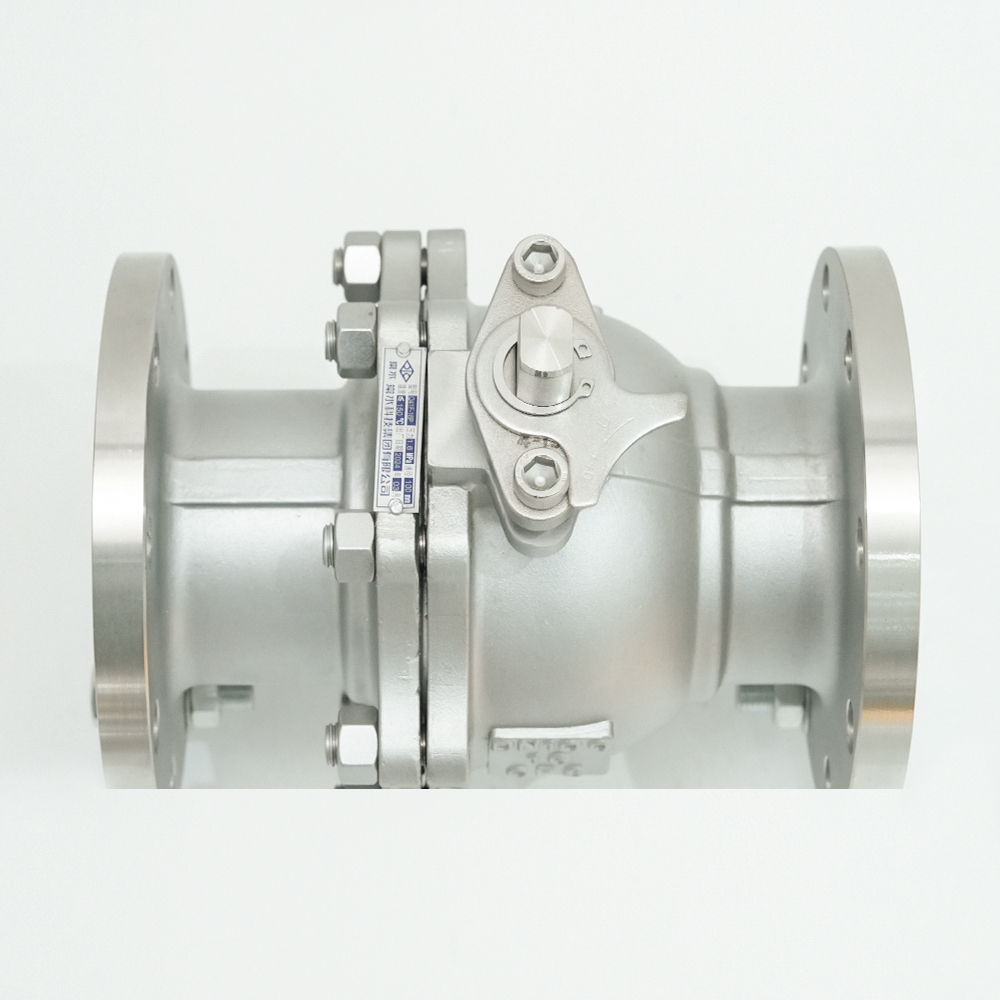 Stainless Steel Flange Ball Valve Q41F-16PA stainless steel flange ball valve for cutting off or connecting pipelines in petroleum, chemical, pharmaceutical, fertilizer, and power service; confirm grade against operating conditions.View Product →
Choosing between grades is really a maintenance decision made at the purchase order. Our guide to ball material selection walks through the five factors that decide both cost and service life. And because seat life depends so heavily on the surface it seals against, the inspection and testing equipment behind each valve matters as much as the drawing it was made to.
Troubleshooting at a Glance
| Symptom | Likely cause | First action |
|---|---|---|
| Flow continues when closed | Debris on seat or scored sealing surface | Cycle open and closed several times, then inspect the seat |
| Handle very stiff | Dry packing, stem deposits, light corrosion | Apply penetrating lubricant, exercise gently, do not force |
| Weep at the stem | Relaxed packing or worn O-rings | Snug the gland nut a quarter turn, replace seals if it returns |
| Leak at body joint | Bolt relaxation after thermal cycling | Re-torque in a cross pattern to the specified value |
| Whistling or vibration | Valve holding a part-open position | Open or close fully and move throttling elsewhere |
Repair, Spares and Storage
Rebuild kits make sense when the body, ball and stem are still in good condition and only the soft parts have aged. Replacement is the better answer when the body shows pitting, the ball is deeply scored, or the valve has already been rebuilt twice. Keep one spare of each critical size on site rather than a warehouse of parts; the valve that fails is almost always the one nobody thought to stock.
Storage matters more than it looks. Keep valves dry, capped at both ends, and stored with the ball in the open position so the seats are not compressed against it for years. Store them stem up where practical, and do not stack heavy items on the handles.
Ball valve maintenance is not a skill that requires a specialist team. It requires a schedule nobody skips, operators who understand that a ball valve is an isolation device rather than a throttle, and a purchasing decision that matches the material to the media from the start. Get those three things right and the valves will quietly do their job for decades, which is exactly what they were designed for.