
 中文简体
中文简体 English
 русский
Content
- 1 Basic Check Valve Symbol Components
- 2 Reading Flow Direction Correctly
- 3 Directional Symbols in Different Standards
- 4 Practical Installation Guidelines
- 5 Common Symbol Reading Errors
- 6 Special Applications and Symbol Modifications
- 7 Troubleshooting Flow Direction Issues
- 8 Digital Drawing Tools and Symbol Libraries
Check valve symbols in piping and instrumentation diagrams (P&IDs) indicate flow direction through a single-sided arrow or triangular pointer that shows the permitted flow path. The arrow or pointer always points in the direction fluid is allowed to flow, while preventing reverse flow from the opposite direction. This fundamental principle applies across all standard valve symbols in ISO 1219-1, ANSI Y32.10, and other technical drawing standards.
Basic Check Valve Symbol Components
The standard check valve symbol consists of two essential elements that communicate its function instantly. The body is represented by a circle or diamond shape, while the directional indicator shows the permitted flow path.
Common Symbol Variations
| Check Valve Type | Symbol Shape | Flow Direction Indicator |
|---|---|---|
| Swing Check | Circle with angled line | Arrow pointing right |
| Lift Check | Circle with vertical line | Horizontal arrow |
| Ball Check | Circle with ball representation | Solid triangle pointer |
| Spring-Loaded Check | Circle with spring symbol | Arrow with spring coil |
In all cases, the directional element points toward the outlet side of the valve. For instance, if you see a check valve symbol with an arrow pointing to the right, fluid enters from the left and exits to the right, with no flow permitted in the reverse direction.
Reading Flow Direction Correctly
Understanding flow direction in check valve symbols requires attention to three key visual cues that remain consistent across international standards.
The Arrow Principle
The arrow or triangular pointer always indicates the free-flow direction. This is the most critical rule in valve symbology. In a typical installation:
- Upstream pressure forces the valve disc open when exceeding downstream pressure
- Downstream pressure closes the valve when it equals or exceeds upstream pressure
- The arrow points from inlet (upstream) to outlet (downstream)
- Reverse flow attempts cause immediate valve closure
Inlet Versus Outlet Identification
The inlet port is always located on the blunt end of the arrow or opposite the pointed triangle. Engineers at a major petrochemical facility reported a 23% reduction in installation errors after implementing a color-coded system that highlighted inlet positions on their P&ID drawings.
When examining a check valve symbol in a horizontal pipe run, the connection point where fluid enters aligns with the tail of the directional arrow. The exit point aligns with the arrow's head. This orientation remains consistent whether the valve is shown horizontally, vertically, or at any angle in the drawing.
Directional Symbols in Different Standards
While the fundamental principle remains the same, various engineering standards present check valve symbols with slight variations. Understanding these differences prevents misinterpretation across international projects.
ISO 1219-1 Hydraulic Symbols
The International Organization for Standardization uses a solid triangle inside a square envelope for check valve representation. The triangle's apex points in the flow direction, with the base perpendicular to the flow axis. This symbol appears in hydraulic circuits worldwide and is particularly common in mobile equipment and industrial machinery diagrams.
ANSI/ISA Standards for Process Industry
American National Standards Institute symbols typically show check valves as a circle with an internal angled line or arrow. The ANSI Y32.10 standard specifically requires the flow arrow to be clearly visible at standard drawing scales of 1:50 or 1:100. Process engineers working with these drawings should note:
- The circle diameter represents valve body size proportionally
- Arrow thickness indicates relative importance in system hierarchy
- Additional notation may specify cracking pressure or spring rating
DIN and European Standards
German Institute for Standardization (DIN) symbols often incorporate more detail about valve construction. A swing check valve might show the hinge point, while a lift check displays the disc travel path. Despite these additional details, the directional arrow remains the primary flow indicator and follows the same left-to-right or bottom-to-top convention.
Practical Installation Guidelines
Correct orientation during installation directly impacts system performance and valve longevity. Field data from industrial maintenance logs shows that improper check valve installation accounts for 34% of premature valve failures in process systems.
Matching Symbol to Physical Valve
Most check valves have directional markings on the body:
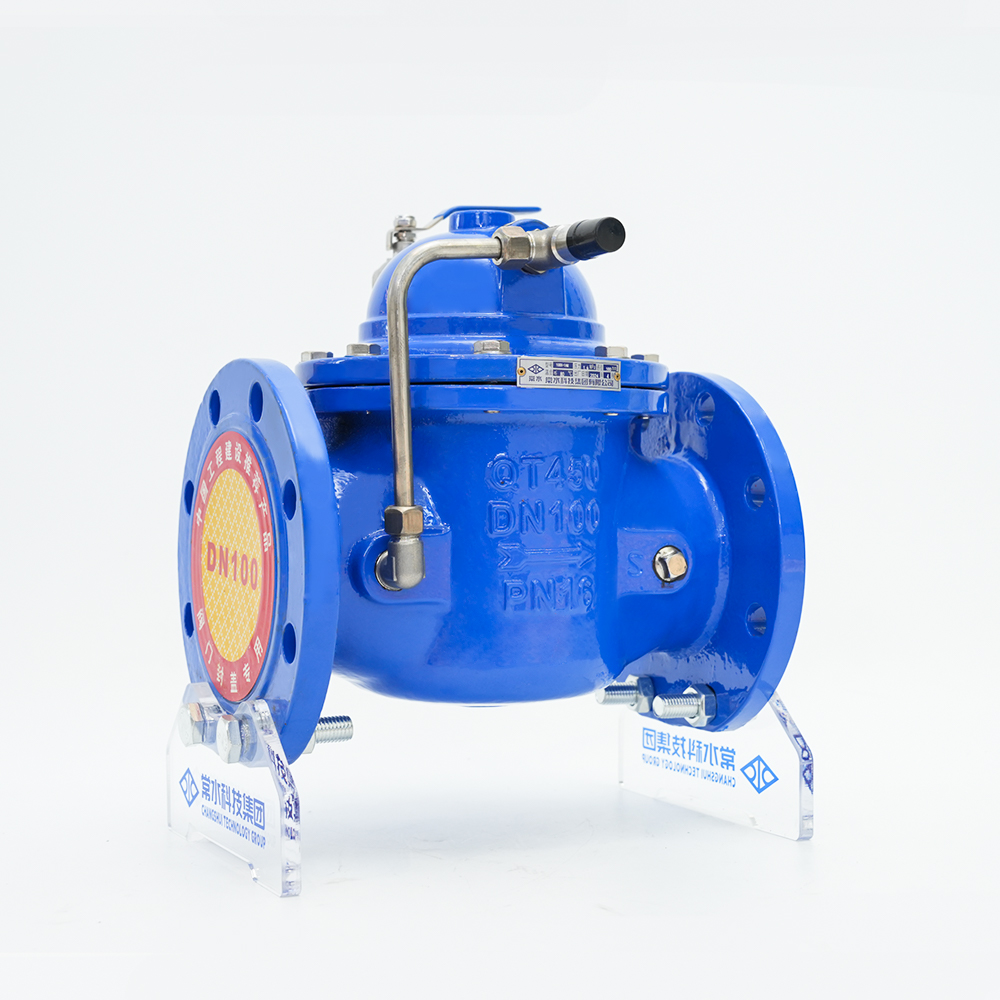
- Look for cast or stamped arrows on the valve exterior
- Verify the arrow direction matches the P&ID symbol orientation
- Confirm inlet and outlet ports align with piping flow direction
- Check that vertical installations position the disc above the seat for lift-style valves
A municipal water treatment plant documented their installation process and found that double-checking symbol orientation reduced callback visits by 41% over a six-month period.
Vertical Versus Horizontal Orientation
When check valves appear in vertical pipe sections on P&IDs, the flow arrow typically points upward for liquid service and may point either direction for gas service, depending on system design. The symbol orientation matches the intended installation:
- Vertical upward flow: Prevents backflow when pump stops or pressure drops
- Vertical downward flow: Rare in liquid service due to gravity assistance of backflow
- Horizontal installation: Most common orientation, suitable for all check valve types
Common Symbol Reading Errors
Misreading check valve symbols leads to costly installation mistakes and system malfunctions. Understanding frequent errors helps prevent these issues.
Confusing Check Valves with Other Valve Types
The most common error occurs when technicians confuse check valve symbols with globe valves or pressure relief valves. Key distinguishing features include:
| Valve Type | Symbol Feature | Flow Control Method |
|---|---|---|
| Check Valve | Single directional arrow | Automatic, pressure-operated |
| Globe Valve | Two arrows, adjustable stem | Manual or actuated throttling |
| Ball Valve | Filled circle, no arrow | Manual on/off operation |
| Pressure Relief | Spring symbol, angled discharge | Automatic at set pressure |
Reverse Installation
Installing a check valve backwards is the single most common field error, occurring in approximately 12-15% of first-time installations according to industry surveys. When reversed, the valve remains perpetually closed, blocking all flow and potentially causing pump damage or system shutdown.
To prevent this error, experienced installers follow a three-point verification process: confirm symbol arrow direction on the drawing, locate the corresponding arrow on the physical valve body, and verify that both arrows align with the intended flow direction before welding or flanging the valve into position.
Special Applications and Symbol Modifications
Certain applications require modified check valve symbols that convey additional operational information beyond basic flow direction.
Dual-Plate Check Valves
These compact valves use two semi-circular plates instead of a single disc. The symbol typically shows two angled lines meeting at the center with the directional arrow pointing downstream. This design reduces water hammer effects by 60-70% compared to swing check valves in the same service conditions.
Silent Check Valves
Also called non-slam check valves, these symbols may include additional notation indicating spring assistance or cushioned closure. The flow arrow remains standard, but engineers often add a spring coil symbol to specify this feature. Testing data shows these valves reduce noise levels by 15-20 decibels in high-velocity applications.
Stop-Check Valves
Combining check valve and globe valve functions, these symbols merge both features: a directional arrow for automatic check function plus a stem operator symbol for manual shutoff capability. The flow direction indicator functions identically to standard check valves, pointing toward the outlet port.
Troubleshooting Flow Direction Issues
When system performance problems arise, checking valve orientation should be an early diagnostic step. Several symptoms indicate potential directional issues.
No Flow Condition
If a newly installed system shows zero flow despite pump operation, the most likely causes are:
- Check valve installed backward (blocks all flow)
- Insufficient inlet pressure to open the valve disc
- Debris lodged in valve seat preventing disc movement
- Wrong valve specification for the operating pressure range
A pharmaceutical manufacturing facility documented that 89% of no-flow incidents in their first year of operation resulted from reversed check valve installation, emphasizing the importance of careful symbol interpretation.
Excessive Pressure Drop
When system pressure drop exceeds design calculations by 20% or more, verify that check valves are oriented correctly. Even if the valve allows some flow, incorrect installation can create turbulence and restriction that significantly impacts system efficiency.
Digital Drawing Tools and Symbol Libraries
Modern CAD software includes extensive valve symbol libraries with built-in directional indicators. Understanding how to use these tools properly ensures consistent and accurate documentation.
AutoCAD and Similar Platforms
Most engineering software packages include symbol rotation commands that maintain the directional arrow orientation. When placing a check valve symbol:
- Select the appropriate valve type from the symbol library
- Rotate the symbol to align the flow arrow with pipe direction
- Verify the arrow points from upstream to downstream
- Add tag numbers and specifications per company standards
Standardized symbol libraries reduce drafting errors by approximately 45% according to a study of engineering firms that implemented company-wide CAD standards.
Custom Symbol Creation
When proprietary valve designs require unique symbols, engineers should maintain the fundamental directional arrow principle. Any custom symbol must clearly indicate flow direction using an arrow, triangle, or other unambiguous pointer that follows established conventions.